Beyond the Lanterns: The Intellectual History Behind Chinese New Year
Reading time
Date posted
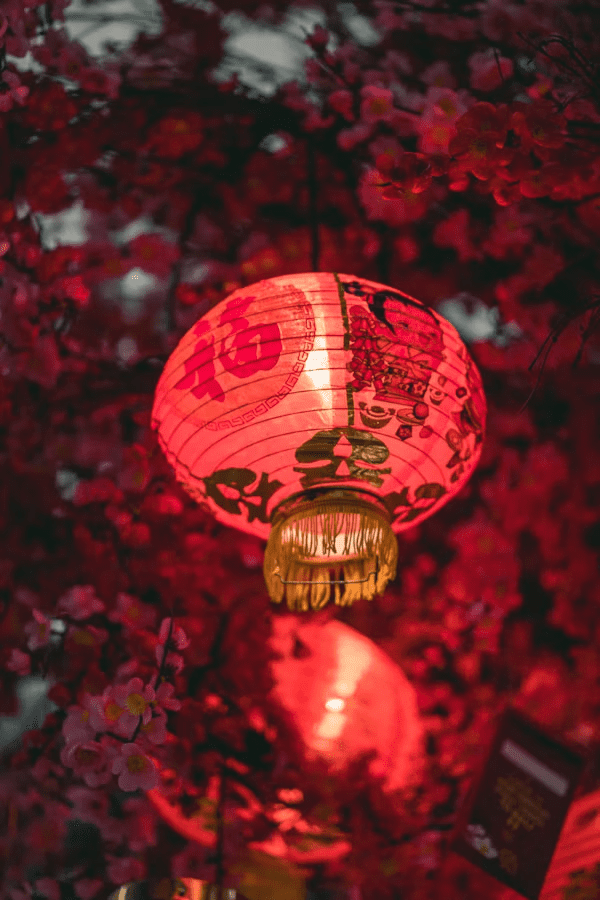
What Is Chinese New Year and Why Is It Important?
Chinese New Year, also known as Lunar New Year or the Spring Festival (Chunjie), marks the beginning of the lunar calendar and is the most significant annual celebration in China and Chinese communities worldwide.
It is associated with:
Family reunion dinners
Red lanterns and spring couplets
Zodiac symbolism
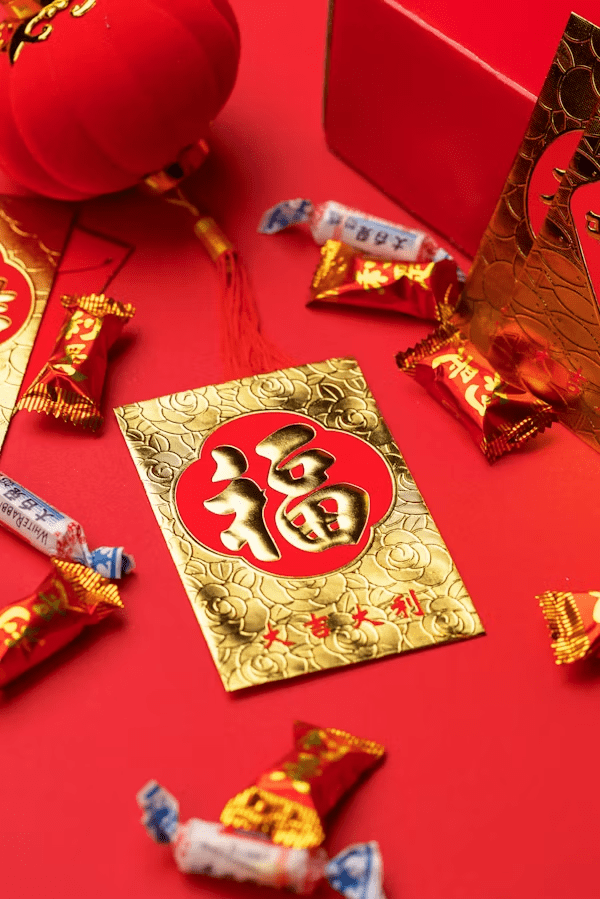
Red envelopes (hongbao)
Rituals of renewal and prosperity
But beyond the visual spectacle lies a deeper intellectual and cultural history. Chinese New Year is not only a festival, it is a living expression of Chinese philosophy, social values, linguistic evolution, and global migration.
Understanding this context enriches how we interpret both the celebration and contemporary China.
What Philosophical Traditions Shape Chinese New Year?
A History of Classical Chinese Thought provides essential insight into the ideas that underpin Spring Festival traditions.
Many New Year customs reflect classical concepts including:
Filial piety (xiao) — expressed in the reunion dinner and ancestor veneration
Ritual propriety (li) — visible in structured ceremonial practices
Harmony (he) — the aspiration toward social and cosmic balance
Moral renewal — beginning the year with ethical intention
These ideas emerged through centuries of Confucian, Daoist, and later intellectual developments. The Spring Festival therefore represents continuity — a ritual moment where philosophy becomes lived experience.
For readers seeking to understand the foundations of Chinese civilisation, classical thought remains indispensable.
How Has Chinese New Year Become a Global Celebration?
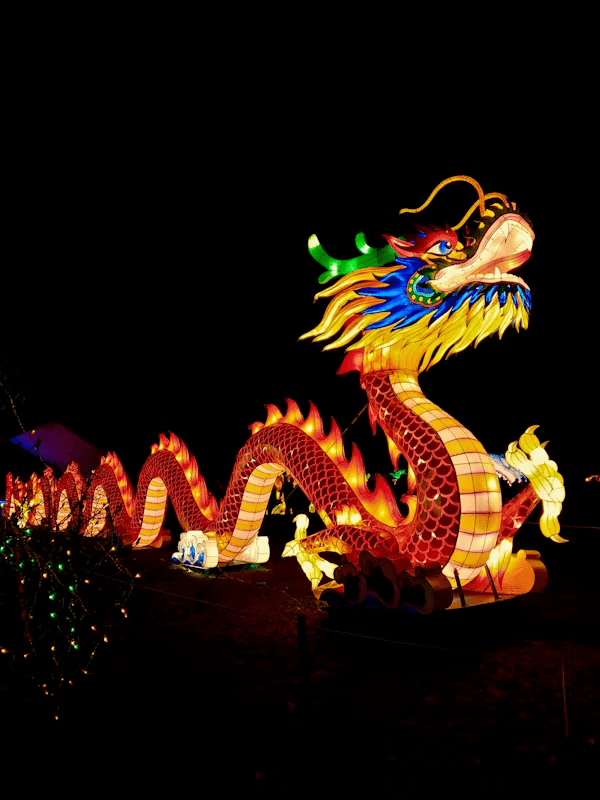
Chinese New Year is now celebrated across Europe, North America, Australia, and Southeast Asia. Yet migration reshapes tradition.
Contesting Chineseness examines how identity is negotiated among new Chinese migrants. Lunar New Year becomes a powerful moment for performing, preserving, and redefining cultural belonging.
Similarly, Nationality, Class, Gender and New Chinese Migrants explores how nationality, class, and gender influence migrant experiences, including how traditions are adapted abroad.
Within diaspora communities, Spring Festival may serve as:
Cultural continuity
Intergenerational dialogue
Negotiated national identity
Hybrid forms of celebration
In this sense, Chinese New Year is both ancient and contemporary, rooted in tradition yet shaped by global movement.
Why Is It Called “Chinese New Year” or “Lunar New Year”?
Naming matters.
The debate between “Chinese New Year” and “Lunar New Year” reflects broader questions of identity, inclusion, and translation.
Translating Chinese Culture highlights how meaning shifts when cultural concepts move between languages. Translation is not merely technical, it is interpretive and political.
The process of Chinese–English translation further demonstrates how linguistic structures shape cross-cultural understanding.
Even individual characters reflect social transformation. A Cultural History of the Chinese Character “Ta (她, She)” traces the twentieth-century creation of a distinct feminine pronoun in written Chinese, revealing how language reform intersects with gender, modernity, and identity.
The evolution of language mirrors the evolution of society, and festivals like Chinese New Year become sites where these shifts are visible.
How Does Chinese New Year Reflect Modern China?
Each year, the Spring Festival travel season (chunyun) represents the largest annual human migration in the world. Millions return home, reaffirming the centrality of family even amid rapid urbanisation.
At the same time, the celebration reflects change:
Digital red envelopes via mobile apps
Shifting gender expectations
Urban-rural economic divides
Globalised media influence
Books such as Contesting Chineseness and Nationality, Class, Gender and New Chinese Migrants provide frameworks for analysing how identity and modernity intersect during this pivotal moment in the Chinese calendar.
Why Scholarship Matters During Cultural Celebrations
Festivals are often reduced to imagery. Yet Chinese New Year reveals deeper systems of philosophy, migration, translation, and social change.
For students, researchers, and culturally curious readers, these works offer critical tools to understand:
The intellectual foundations of Chinese civilisation
The lived realities of migration
The politics of cultural translation
The evolution of gender and language
Chinese New Year is not simply a celebration of renewal. It is an invitation to deeper inquiry.