Top 5 History Books You Need to Read in 2026
Reading time
Date posted
History is never just about the past. It shapes how we understand today’s political debates, cultural identities, and global events. Whether you’re fascinated by World War II, intrigued by maritime mysteries, or looking to strengthen your understanding of historical research, the right book can completely change the way you view the world.
This year’s selection brings together five essential history books that challenge assumptions, uncover overlooked stories, and explore the methods historians use to interpret the past. From revisiting one of America’s defining generations to examining race, religion, and historical investigation itself, these titles deserve a place on every history lover’s reading list.
If you’re searching for the best history books of 2026, these are five standout titles worth exploring.
Myth and the Greatest Generation – Rethinking WWII

The Second World War remains one of the most studied events in modern history, but that doesn’t mean our understanding of it is complete. Myth and the Greatest Generation encourages readers to look beyond familiar narratives and question how collective memory is constructed.
Rather than diminishing the sacrifices made during the war, the book explores how the idea of the “Greatest Generation” became a powerful cultural myth in post-war America. It examines the relationship between memory, patriotism, politics and national identity, asking why some stories become central to public consciousness while others fade into the background.
For readers interested in World War II historical analysis, memory studies, or American identity, this book offers a thought-provoking perspective that goes beyond conventional military history.
Perfect for readers interested in:
World War II
American cultural history
Public memory and historical myths
Post-war America
How the Irish Became White – Race and Immigration
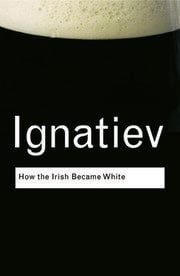
Immigration has shaped societies throughout history, but the identities we often take for granted today have changed dramatically over time.
How the Irish Became White examines how Irish immigrants in nineteenth-century America gradually came to be accepted as “white” within American society. In doing so, it challenges modern assumptions about race, ethnicity and identity while exploring the social and political forces that influenced these changes.
The book demonstrates that racial categories are neither fixed nor inevitable. Instead, they have been continually shaped by politics, economics and social circumstances.
As conversations around immigration and identity continue globally, this remains one of the most influential American history books exploring race and assimilation.
Readers will discover:
The changing nature of racial identity
Irish immigration in the United States
The relationship between class, race and politics
The historical roots of modern debates around identity
The Rosicrucian Enlightenment – Renaissance Mysteries

Not every history book focuses on wars and politics. Sometimes history’s most fascinating stories emerge from secret societies, intellectual movements and forgotten ideas.
The Rosicrucian Enlightenment explores one of Europe’s most intriguing historical mysteries: the Rosicrucian movement of the early seventeenth century. Blending intellectual, religious and cultural history, the book investigates how esoteric beliefs influenced wider developments during the Renaissance and early modern Europe.
Although the subject may sound niche, the book provides valuable insight into how ideas spread across societies and influence political and cultural change.
For readers who enjoy the history of science, philosophy, religion or the Renaissance, this remains a classic work of scholarship.
Ideal if you enjoy:
Renaissance history
European intellectual history
Secret societies
ExampleHistory of religion and philosophy
Mary Celeste

Few historical mysteries have captured imaginations quite like the disappearance of the crew aboard the Mary Celeste.
Since the ship was discovered abandoned in 1872, countless theories have emerged, ranging from piracy and mutiny to supernatural explanations. Mary Celeste cuts through more than a century of speculation to examine what the historical evidence actually tells us.
Using contemporary documents, witness accounts and careful historical analysis, the book separates fact from fiction while exploring how one maritime mystery became a global legend.
It’s an excellent reminder that history often involves detective work as much as storytelling.
If you’re looking for engaging non-fiction history recommendations, this is a compelling choice that combines scholarship with an enduring mystery.
The Pursuit of History – Understanding Historical Methods

Understanding history isn’t just about learning dates and events—it’s about learning how historians reach their conclusions.
The Pursuit of History has become a trusted introduction to historical thinking for students and general readers alike. Rather than focusing on one particular period, it explains how historians evaluate evidence, interpret sources and construct arguments.
The book explores important questions including:
What makes a historical source reliable?
Can historians ever be truly objective?
How do historical interpretations change over time?
Why do historians disagree with one another?
For anyone beginning university-level history or simply wanting to become a more critical reader of historical writing, this remains one of the essential history books available today.
How to Choose the Right History Book for You
History is an incredibly broad subject, so the best place to start depends on your interests.
If you’re fascinated by modern politics and society, books like Myth and the Greatest Generation and How the Irish Became White provide fresh perspectives on familiar historical themes while connecting directly to contemporary conversations.
Readers drawn to intellectual history or the history of ideas may find The Rosicrucian Enlightenment especially rewarding. Meanwhile, those who enjoy historical mysteries and narrative storytelling will likely appreciate Mary Celeste.
Finally, if you’re studying history or simply want to improve your understanding of how historical knowledge is created, The Pursuit of History offers an invaluable foundation that will enrich every other history book you read. Together, these books demonstrate that history isn’t simply about memorising facts. It’s about asking questions, examining evidence, and understanding why the past continues to influence the present.
Final Thoughts: Building Your 2026 Reading List
Whether you’re completely new to historical reading or looking to expand an existing collection, these five books represent some of the most engaging and enduring works available today.
They span centuries, continents and disciplines, from the myths surrounding World War II and the changing meaning of race in America to Renaissance intellectual movements, maritime mysteries and the very methods historians use to study the past. What unites them is a shared commitment to challenging assumptions and encouraging readers to think critically about historical evidence.
If you’re looking for must-read history books, building an advanced history reading list, or simply searching for the best history books to read in 2026, these titles provide an excellent place to start. Each offers a different lens on the past while demonstrating why history remains one of the most relevant and fascinating subjects we can study today. If you’re looking for the Top 5 History Books you need, these recommendations offer an excellent starting point.
Ready to explore these essential history titles? Learn more and discover the full collection to start building your 2026 reading list.