International Day of Women and Girls in Science: Celebrating Success and Focus on Gender Equality
Reading time
Date posted
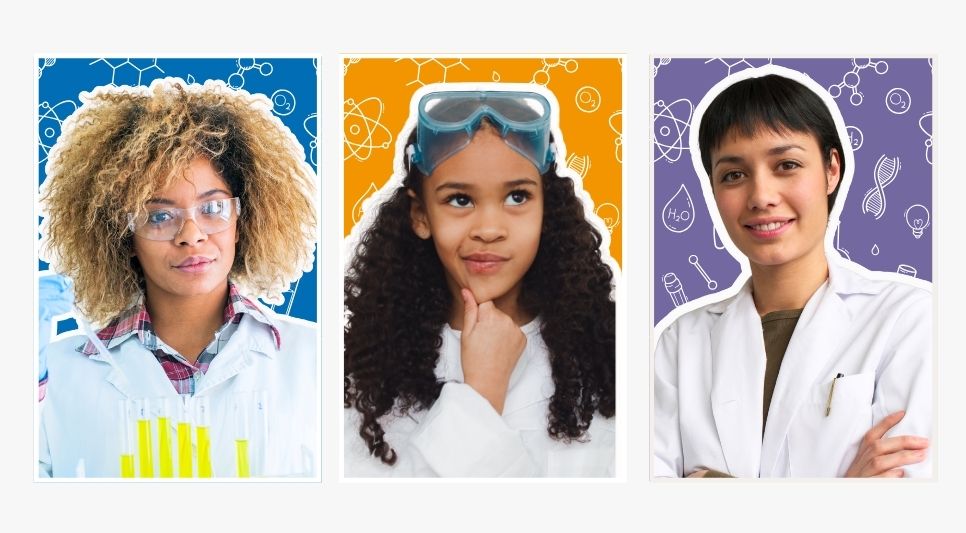
Every year on February 11th, the world comes together to celebrate International Day of Women and Girls in Science, an occasion to honor the remarkable achievements of women in science, technology, engineering, and mathematics (STEM). This day reflects on their accomplishments and the challenges they still face in these fields. While significant progress has been made, women in STEM continue to encounter barriers such as gender bias, limited access to resources, and cultural stereotypes. These hurdles often hinder their ability to reach their full potential.
Recognized globally and led by organizations such as UNESCO and UN Women, the International Day of Women and Girls in Science highlights the critical role women and girls play in scientific and technological innovation. It also serves as a reminder that gender equality in STEM is essential to achieving broader sustainable development goals and building a more inclusive future.
This blog explores both the challenges and the progress made in creating a more inclusive and equitable environment for women in STEM and highlights the steps we can take to ensure future generations of women scientists can thrive.
Engaging Women in Science: The Gender Gap in STEM
Historically, STEM fields have been male-dominated, with women often relegated to support roles or excluded from pursuing careers in science and technology altogether. Although women now represent approximately 28% of the global STEM workforce, the challenges they face continue to be significant. Gender bias, societal stereotypes, and limited access to resources persist, creating barriers that hinder the full participation of women in STEM.
Despite progress, women remain underrepresented in many STEM disciplines, particularly in engineering, computer science, and advanced mathematics. Addressing this gender gap is not just a matter of fairness—research consistently shows that diverse teams drive greater innovation, creativity, and problem-solving.
Gender Equality: Overcoming Bias and Stereotypes in STEM Careers
One of the most persistent obstacles for women in STEM is gender bias, which manifests in both overt and subtle ways. From an early age, girls are frequently discouraged from pursuing math and science, with societal expectations that these subjects are better suited to boys. As women enter the workforce, they often find themselves working harder to prove their competence, held to higher standards than their male counterparts.
Research has consistently shown that female scientists and engineers are often judged more harshly and are more likely to be criticized for their work. In academic and professional environments, women may face challenges in securing research funding, gaining promotions, and having their ideas taken seriously. These biases serve as significant obstacles, contributing to an ongoing gender imbalance in STEM careers.
Tackling these biases requires systemic change, from inclusive classroom practices and equitable hiring policies to mentorship programs and leadership pathways that actively support women scientists.
Inspiring Women Scientists: The Lack of Role Models and Mentors
The absence of female role models in leadership positions across STEM fields continues to be a major challenge for women in science. Role models and mentors are crucial for guiding young women in navigating the complex and often difficult journey through STEM careers. Without these figures, women in the field may struggle to find the support and guidance necessary to advance in their careers.
The scarcity of women in senior leadership positions, such as research directors, professors, and CEOs, can create feelings of isolation for younger women entering the field. When women cannot envision themselves in leadership roles, it becomes harder for them to pursue careers in STEM and overcome the barriers they face.
Visibility matters. Highlighting the achievements of women scientists, past and present, helps normalize women’s leadership in STEM and inspires girls to imagine themselves in those roles.
Impact: Work-Life Balance and Family Responsibilities
In many cultures, women are expected to take on the majority of family and caregiving responsibilities. This cultural expectation can place additional strain on women pursuing demanding STEM careers. The constant juggling of professional obligations with family duties can lead to burnout and contribute to women leaving STEM fields or choosing less demanding career paths.
The societal pressure to “have it all”—to excel both in a professional career and as a caregiver—can be overwhelming. As a result, women often face unique challenges when trying to balance their work and family lives, which can prevent them from fully thriving in their careers.
Workplace policies such as flexible schedules, parental leave, and supportive return-to-work programs are essential for retaining talented women in STEM and creating truly inclusive professional environments.
Involvement: Marie Curie and the Legacy of Overcoming Challenges
In reflecting on the challenges women face in STEM, it is impossible to ignore the legacy of Marie Curie, a trailblazer who overcame significant obstacles in her scientific career. Born in 1867, Curie became one of the most famous women scientists in history, despite facing both personal and professional adversity. Her groundbreaking work on radioactivity led to the discovery of the elements radium and polonium and played a crucial role in the development of radiation therapy for cancer.
Curie’s persistence and achievements have inspired generations of women in science. She was the first woman to win a Nobel Prize and remains the only person to have received Nobel Prizes in two different scientific fields—Physics and Chemistry. Her story proves that, despite the obstacles, women can make profound contributions to science, and her legacy continues to serve as a beacon of hope and inspiration for women in STEM.
Today, her legacy lives on not only in laboratories and textbooks, but also in global efforts to ensure that girls everywhere have equal access to quality science education.
Global Network: The Progress Women Have Made in STEM
While the challenges persist, significant progress has been made in advancing women’s participation in STEM fields. Initiatives like Girls Who Code and Women in Technology International (WITI) are working to inspire and encourage young girls to pursue STEM education. These programs provide essential tools and mentorship, helping young women gain the confidence and support they need to enter the field and succeed.
Moreover, universities and research institutions are increasingly prioritizing diversity, recognizing that diverse teams lead to more innovative outcomes. Research funding agencies have also started offering programs that support women in academia, working to reduce the impact of bias in grant distribution and ensuring that women researchers have the resources they need to succeed.
International collaborations, private-sector partnerships, and grassroots community programs are also playing an important role in building a global network of support for women and girls in science.
Scholarships: Empowering Women Through Education
Education remains one of the most powerful tools in empowering women to succeed in STEM careers. Many universities now offer scholarships specifically for women in STEM, and educational programs tailored to young girls are helping to break down long-standing gender stereotypes in science, technology, engineering, and math. These initiatives provide young women with the resources, encouragement, and networks needed to pursue their academic and professional goals.
In addition, open access publishing platforms, like those offered by Taylor & Francis/Routledge, provide a valuable opportunity for female scholars to gain greater visibility for their work. Through Routledge’s Open Access (OA) offering, women in academia can publish their research with greater global reach, ensuring their contributions are accessible to a broader audience. This opportunity is particularly significant for women who may otherwise lack access to traditional publishing channels. To learn more, visit our Routledge Open Access publishing options.
Access to publishing, research funding, and academic networks remains a key factor in closing the gender gap in science and ensuring women’s discoveries receive the recognition they deserve.
Shattering the Glass Ceiling: Women Achieving Leadership in STEM
Today, women are increasingly achieving leadership positions across STEM fields. Pioneers like Dr. Frances Arnold, Nobel Prize winner in Chemistry, and Dr. Mae Jemison, the first African American woman to travel to space, are showing the world that women can excel in leadership roles in science and technology.
As more companies and organizations focus on diversity and inclusion, the opportunities for women to advance in STEM careers continue to expand. A growing number of organizations are developing policies to promote an inclusive culture that helps women rise to leadership positions, thereby ensuring they have the tools and support they need to succeed.
Their achievements serve as powerful reminders to young women and girls that there is no limit to what they can accomplish in STEM fields.
How to Celebrate International Women and Girls in Science Day
There are many meaningful ways individuals, educators, and organizations can celebrate and support women in STEM fields on February 11 and beyond:
Highlight the work of women scientists and researchers in classrooms, workplaces, and online spaces
Host talks, panels, or reading groups focused on women’s contributions to science and technology
Encourage girls’ participation in STEM activities, coding clubs, and science fairs
Share resources, books, and research that amplify women’s voices in STEM
Advocate for inclusive policies and equitable opportunities within your institution or community
Celebrating women in science is about creating lasting change that ensures equal access, participation, and leadership opportunities in STEM for future generations.
Conclusion: Focus on Continued Progress
As we celebrate International Day of Women and Girls in Science, it’s important to remember both the strides women have made and the barriers they continue to face. The legacy of Marie Curie and the accomplishments of today’s women in science are proof that gender should never limit one’s potential in STEM. However, the fight for equality is far from over.
Continued advocacy, mentorship, and support will help ensure that the next generation of women scientists faces fewer obstacles and greater opportunities. Together, we can continue to break down the walls and build a more inclusive, diverse, and innovative STEM community for women around the world.
Explore our curated collection of books and research celebrating International Women and Girls in Science Day to discover powerful stories, groundbreaking scholarship, and practical insights that support gender equality in STEM.