Why Earth Day Matters: A Global Call to Action for Sustainability
Reading time
Date posted

Every year on April 22nd, people all over the world come together to honor Earth Day, a powerful reminder of our shared responsibility to protect and advocate for the planet. Earth Day is more than just a date on the calendar; it’s a global call to action meant to unite individuals, organizations, and governments in the fight against climate change, pollution, deforestation, biodiversity loss, and other threats to Earth’s welfare.
What Is Earth Day & Why Is It Important?
Earth Day began in 1970 as a movement to raise environmental awareness in the United States. As a response to the increasing frequency of factories’ irresponsible toxic waste disposal and air pollution, more and more US citizens began demanding change.
“…there was no EPA, no Clean Air Act, no Clean Water Act. There were no legal or regulatory mechanisms to protect our environment. In spring 1970, Senator Gaylord Nelson created Earth Day as a way to force this issue onto the national agenda. Twenty million Americans demonstrated in different U.S. cities, and it worked!” – United States Environmental Protection Agency, 2025
Over fifty years later, this event has evolved into the largest civic observance in the world, engaging one billion people in over 190 countries (EARTHDAY.ORG, 2025). Its enduring impact lies in its ability to inspire both policy change and individual action, promoting a deeper understanding of just how intertwined we are with the Earth’s ecosystems.
The Environmental Challenges We Face
From intensifying wildfires and rising sea levels to plastic-filled oceans and withering wildlife populations, the challenges facing our planet are pressing and complicated. Among the most critical are:
Climate Change
Driven by greenhouse gas emissions, climate change threatens every aspect of life on Earth.
Pollution
Air, water, and soil contamination continue to affect our health and Earth’s ecosystems.

“Polluted waterways and water sources are becoming increasingly more common because of industrial and agricultural runoff. Diseases resulting from contaminated waste, such as cholera, are endemic in some regions.”
– The Science of Environmental Pollution (CRC Press, Taylor & Francis, 2025)
Deforestation
Forest loss contributes to carbon emissions and displaces indigenous communities and wildlife.
Biodiversity Loss
Species extinction is occurring at an alarming rate due to habitat destruction, poaching, and pollution.
How Can I Contribute to Sustainability on Earth Day?
There’s some good news. Even small actions can add up to meaningful change. Whether you’re an individual, educator, business leader, or policymaker, here are some practical ways to contribute:
Reduce Your Carbon Footprint
Walk, bike, or use public transport. Choose energy-efficient appliances and switch to renewable energy where possible.
Eliminate Single-Use Plastic
Use reusable bags, bottles, and containers. Say no to single-use plastics.

“Are we human beings so carefree that we are willing to put our own lives at risk throwing away so much plastic? Yes and no! Yes, because everyone sees how many so-called single-use objects are wasted daily. But no, as we do not see the huge amounts of “primary microplastics” entering the ocean…”
– Plastics in the Oceans: Toward Sustainable Solutions (CRC Press, Taylor & Francis, 2025)
Eat Sustainably
Incorporate more plant-based meals into your diet and reduce food waste.
Support Local and Ethical Brands
Choose products that prioritize sustainability and fair labor.
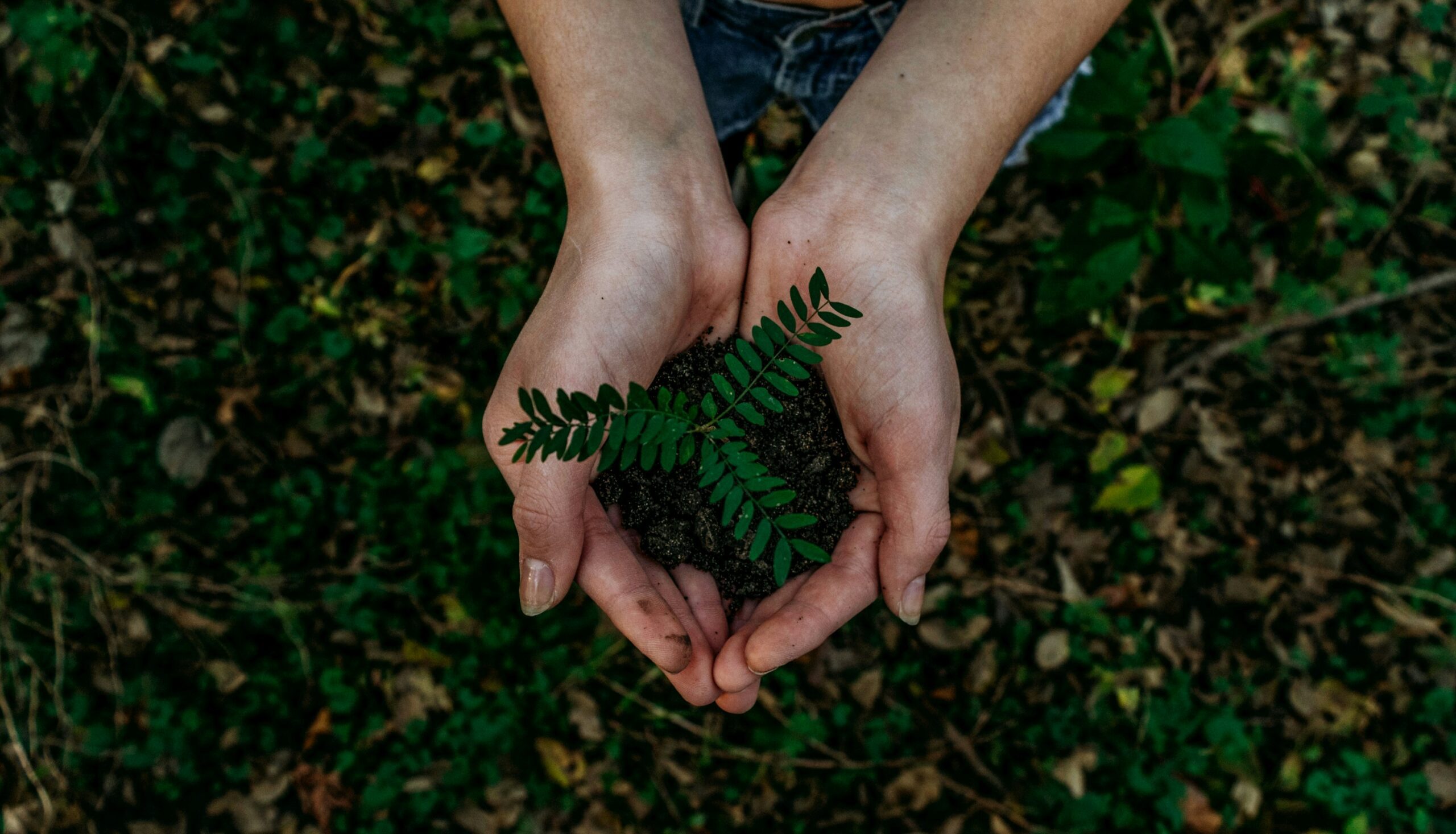
Plant Trees & Native Plants
Reforesting and greening urban spaces improves air quality and supports wildlife.
Advocate & Educate
Use your voice to support environmental policies and educate others about sustainability.
How to Protect Biodiversity and Wildlife
Protecting biodiversity means preserving habitats, stopping illegal wildlife hunting and trade, and promoting sustainable land use. You can help by supporting conservation organizations, avoiding products that harm wildlife (such as palm oil from unsustainable sources), and encouraging nature-friendly practices in your community.

“Food security is dependent upon biodiversity. At least 40% of the world’s economy and 80% of the needs of the poor depend on biodiversity.”
– Saving Biodiversity (Routledge, Taylor & Francis, 2025)
The Role of Academic Research in Climate Solutions
Research is a powerful force for driving long-term climate solutions. Earth Day has always been rooted in awareness and action, but it also serves as a catalyst for innovation, bringing together researchers, policymakers, and communities to address environmental challenges.
Scholars across disciplines are building evidence-based strategies to help us both mitigate and adapt to climate change. Whether it’s refining climate models to improve disaster preparedness, advancing sustainable agriculture practices, or developing cleaner energy technologies, research is turning knowledge into tangible impact. These insights shape policy and industry practices while ensuring solutions are built around solid scientific foundations for genuine long-term sustainability.
One of the most inspiring aspects of climate-focused academic research is its interdisciplinary nature. Climate change intersects with nearly every field, from economics and engineering to public health and social sciences. A cross-disciplinary approach ensures that solutions are not only scientifically sound but also socially and economically viable.
Explore Top Books on Climate Change and Sustainability
Education is one of the most powerful tools we have to inspire change. This Earth Day, Taylor & Francis is proud to highlight a curated collection of books and resources dedicated to environmental science, sustainability, and conservation. Whether you’re a student, educator, or policy advocate, these texts offer essential insights into today’s environmental challenges and solutions.
From in-depth research on climate change and ecological policy to practical guides on green living and sustainable design, this collection is a valuable resource for anyone looking to make a difference.
This Earth Day, let’s remember that every action counts. Together, we can build a more sustainable, equitable, and thriving planet. Not just for today, but for generations to come.
Looking for more? Celebrate Earth Day with Taylor & Francis with curated extracts from our eBook and journal collections.