Understanding Aesthetics
Reading time
Date posted

What is “Aesthetics”?
Aesthetics is a branch of philosophy dedicated to exploring the nature of beauty, art, and taste, as well as the creation and appreciation of beauty. The term “aesthetics” originates from the Greek word “aisthesis,” meaning perception or sensation — this area of philosophy looks at how we experience artistic and natural phenomena, especially from a sensory perspective. With an aim of understanding the principles that underlie aesthetic experiences, philosophers look at the essence of beauty and the factors that shape our aesthetic judgments.
The History and Development of Aesthetics
The concept of “aesthetics” has a rich historical background, dating back to ancient Greece. However, whilst ancient philosophers like Plato and Aristotle explored ideas of beauty and art, the term “aesthetics” was not used until the 18th century, when Alexander Baumgarten introduced it as the science of sensory knowledge. Since then, the concept has evolved to encompass a wide range of topics, including art, nature, and culture. By understanding the etymology of “aesthetic” we can appreciate the historical significance of the term and how it has helped shape and develop contemporary aesthetic thought.
The Evolution of Aesthetic Philosophy
The evolution of aesthetic philosophy can be traced back to ancient Greece, where philosophers like Plato and Aristotle began to explore the nature of beauty and art. Plato’s theory of Forms posited that beauty is an abstract ideal that transcends physical appearances, while Aristotle emphasized the importance of sensory experiences in aesthetic appreciation. In the 18th century, Alexander Baumgarten formalized the study of aesthetics, coining the term and defining it as the science of sensory knowledge. Since then, aesthetic philosophy has continued to evolve, incorporating insights from various fields and addressing contemporary aesthetic challenges.
Key Philosophers: Baumgarten, Kant, and Others
Several key philosophers have made significant contributions to the study of aesthetics, shaping thought around the topic and influencing debate and theories:
– Alexander Baumgarten is known for formalizing the concept of aesthetics and defining it as the science of sensory knowledge, although this approach did not gain immediate traction.
– Immanuel Kant further developed aesthetic philosophy, emphasizing the importance of subjective experiences, their aspiration to universality and the role of imagination in aesthetic judgments.
– Other influential figures include Friedrich Schiller, who explored the relationship between aesthetics and ethics, and Arthur Schopenhauer, who examined the nature of aesthetic experiences and their impact on human consciousness.
The Concept of Beauty in Aesthetics
Differentiating Between Beauty and Aesthetics
While beauty and aesthetics are closely related, they are distinct concepts. Beauty refers to the qualities that make something pleasing or attractive, whereas aesthetics is the philosophical study of those qualities and the principles that underlie them. Aesthetics encompasses a broader range of topics, including the nature of art, the role of sensory experiences, and the factors influencing our aesthetic judgments. For example, aesthetic experiences can include feelings of the sublime, the grotesque, or even the disturbing — not just notions of “beauty.”
Some philosophers intentionally decouple aesthetics from beauty to explore broader or more critical perspectives. By differentiating between beauty and aesthetics, philosophers can better understand the complexity of aesthetic experiences and how they shape our perceptions of the world.
The Role of Nature and Art in Aesthetic Appreciation
Nature and art are central to aesthetic appreciation, providing rich sources of beauty and inspiration. Natural phenomena, such as landscapes, sunsets, and wildlife, evoke powerful aesthetic responses, influencing our perceptions of beauty and harmony. Art, on the other hand, involves the intentional creation of aesthetic engagement through various mediums, including painting, sculpture, music, and literature. Philosophers explore the role of nature and art in aesthetic appreciation to understand how sensory experiences shape our understanding of beauty and the principles underlying aesthetic judgments.
Aesthetic Judgment and Ethics
Examining Aesthetic Values and Principles
Aesthetic values and principles play a crucial role in shaping our perceptions of beauty and art. These values include:
– Harmony, balance, proportion, and unity, which are often used to evaluate the quality of aesthetic experiences.
– Principles such as symmetry, contrast, and rhythm also influence our aesthetic judgments, guiding our responses to artistic and natural phenomena.
Philosophers examine aesthetic values and principles to gain insights into the factors that shape our perceptions of beauty and how they influence our aesthetic experiences.
Ethical Considerations in Aesthetic Judgments
Ethical considerations influence how we make “aesthetic judgments”; how we evaluate and respond to beauty and art. Issues such as cultural appropriation, environmental impact, and social justice often intersect with aesthetic values, shaping our perceptions of what is ethically acceptable in artistic and natural contexts. Classical aesthetics often separated ethics and aesthetics, but many modern and contemporary philosophers have challenged that division, arguing that aesthetics isn’t morally neutral or independent. By addressing ethical considerations in aesthetic judgments, philosophers can develop a more nuanced understanding of the relationship between aesthetics and ethics, ensuring that our responses to beauty and art are informed by principles of fairness and respect. Theodore Adorno, bell hooks, and Martha Nussbaum are known for explicitly linking ethical and aesthetic concerns in their work, although some theorists maintain a contested argument that aesthetic value can still be appreciated separate from moral content.
Modern Interpretations and Application of Aesthetics
Aesthetics in Art and Culture Today
Aesthetics continues to play a vital role in art and culture today, influencing how we create and appreciate beauty. Contemporary artists and designers often draw on aesthetic principles to create works that evoke powerful sensory responses, shaping our perceptions of the world. Cultural movements such as minimalism, surrealism, and abstract expressionism reflect diverse aesthetic values, offering new perspectives on beauty and art. Philosophers explore modern interpretations and applications of aesthetics to understand how aesthetic principles continue to shape our cultural landscape.
Popular Aesthetic Movements and Trends
Popular aesthetic movements and trends reflect the evolving nature of aesthetic thought, offering new perspectives on beauty and art. Movements such as minimalism, which emphasizes simplicity and clarity, and surrealism, which explores the unconscious mind, have had a profound impact on contemporary art and design. Trends such as eco-friendly design and digital art also reflect changing aesthetic values, addressing contemporary challenges and opportunities. By examining popular aesthetic movements and trends, philosophers can gain insights into how aesthetic principles continue to evolve and shape our cultural landscape.
The Influence of Aesthetics in Fashion and Design
Within fashion and areas of artistic design, creators can evoke powerful responses to their work, demonstrating that aesthetic principles — the sensations produced in response to new fasions or designs — still play a crucial role. Designers often draw on aesthetic principles to create works that evoke powerful sensory responses, shaping our perceptions of style, elegance, and influencing how we create and appreciate beauty. Trends such as sustainable fashion and minimalist design reflect changing aesthetic values, addressing contemporary challenges and opportunities. Philosophers explore the influence of aesthetics in fashion and design to understand how aesthetic principles continue to shape our cultural landscape, how much these aesthetic judgments are driven by culture, and how much changing cultural norms drive our aesthetical responses.
Embracing Aesthetic Diversity
Exploring Various Aesthetic Styles and Types
Aesthetic diversity encompasses a wide range of styles and types, reflecting the richness and complexity of aesthetic experiences. Styles such as classical, modern, and postmodern offer different perspectives on beauty and art, each with its own unique principles and values. Types of aesthetics, such as visual, auditory, and tactile, also influence our perceptions of beauty, shaping our responses to artistic and natural phenomena. Philosophers explore various aesthetic styles and types to understand how aesthetic diversity enriches our understanding of beauty and art.
The Cultural Significance of Aesthetic Diversity
Aesthetic diversity has profound cultural significance, reflecting the richness and complexity of human experiences. Different cultures often have unique aesthetic values and principles, shaping their perceptions of beauty and art. By embracing aesthetic diversity, we can develop a more inclusive and nuanced understanding of the world, appreciating how different cultures contribute to our collective aesthetic heritage. Philosophers examine the cultural significance of aesthetic diversity to foster a more inclusive and respectful approach to beauty and art.
Expanding Aesthetic Horizons: The Everyday and the Digital
Aesthetic experience today extends well beyond traditional forms of art, encompassing the digital world and the fabric of everyday life. In the age of social media, online platforms, and virtual environments, digital aesthetics shape how we present ourselves, consume media, and interact with technology—raising new questions about beauty, authenticity, and engagement. At the same time, everyday aesthetics explores how we find aesthetic value in ordinary experiences such as cooking, fashion, interior design, and even urban environments. These emerging areas challenge the idea that aesthetics belongs solely to “high art,” showing instead that aesthetic judgment is woven into the rhythms of daily life. By embracing both digital and everyday aesthetics, philosophers and cultural critics expand our understanding of aesthetic diversity, revealing how beauty, taste, and meaning are continuously negotiated in contemporary society.
Conclusion: The Enduring Relevance of Aesthetics
Aesthetics remains a vital lens, bridging philosophy, culture, and everyday life and through which we understand beauty, art, and the sensory experience. From its origins in ancient Greece to its modern expansion into ethics, fashion, digital culture, and global traditions, the study of aesthetics offers critical insight into how we experience and interpret the world. By distinguishing between beauty and aesthetics, recognizing the evolving principles that guide our judgments, and embracing the diversity of aesthetic expressions—from classical ideals to contemporary trends—this helps us make sense of our sensory and cultural environments. As aesthetic values continue to shift in response to technological, social, and ethical developments, the field invites us to think more deeply about what we consider beautiful, meaningful, and just. In doing so, aesthetics not only enhances our appreciation of art and design but also sharpens our understanding of the human experience itself.
Explore Aesthetics
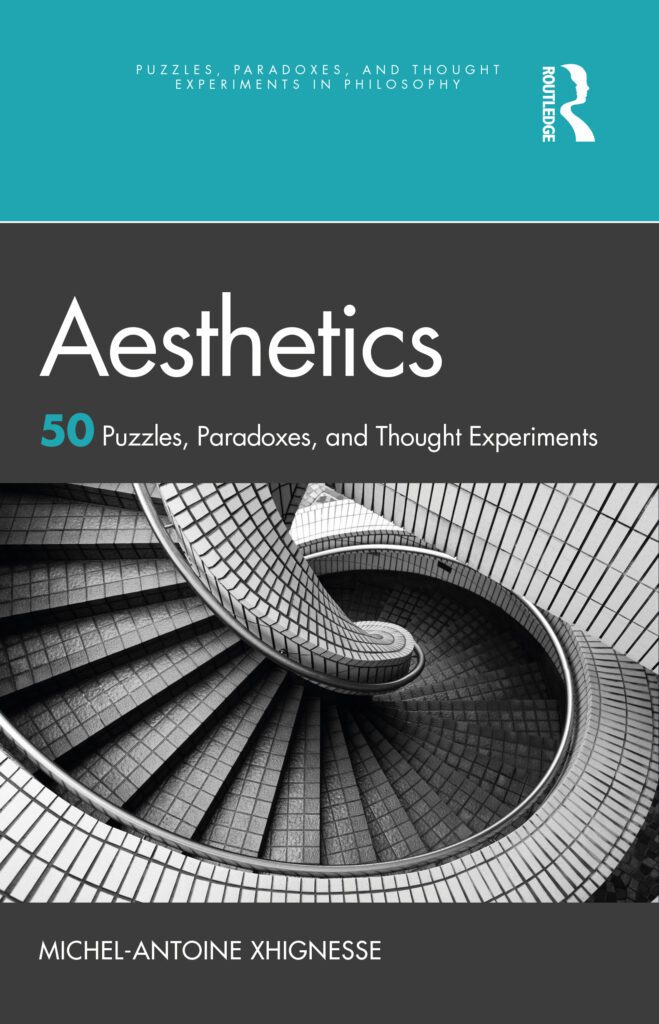
Aesthetics: 50 Puzzles, Paradoxes, and Thought Experiments is a teaching-focused resource, which highlights the contributions that imaginative scenarios—paradoxes, puzzles, and thought experiments alike—have made to the development of contemporary analytic aesthetics.
The Routledge Companion to Aesthetics

The third edition of this acclaimed Companion contains over sixty chapters written by leading international scholars covering all aspects of aesthetics. With ten new entries, and revisions throughout, this is essential for anyone interested in aesthetics, art, and visual studies.

Philosophy of the Arts presents a comprehensive and accessible introduction to those coming to aesthetics and the philosophy of art for the first time. The third edition is greatly enhanced by new sections on art and beauty, modern art, Aristotle and katharsis, and Hegel.
