What Are the Best Philosophy Books to Read in 2026?
Reading time
Date posted
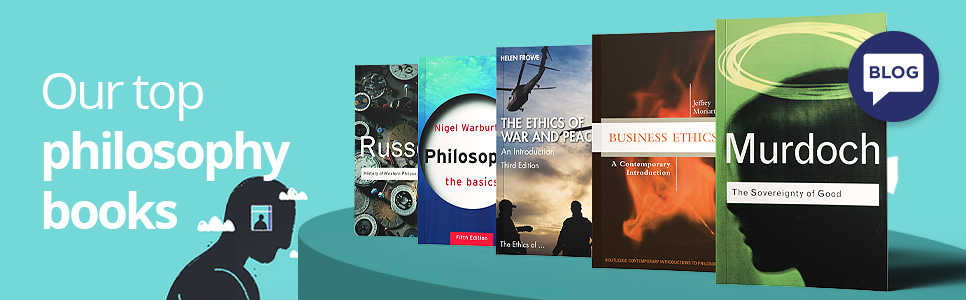
What makes a life worth living? How do you know if anything is real? Can we ever fully grasp what consciousness is? These are questions that have captivated humans for ages. And in 2026, as we face ethical dilemmas posed by technology, navigate unprecedented social change, and seek authentic meaning in a noisy world, philosophical thinking has never been more essential.
We’ve gathered a diverse collection of books that bring profound ideas to life, whether you’re brand new to philosophy or you’ve been exploring it for years. These titles span ethics, consciousness, political thought, and the fundamental nature of goodness. Each one is designed to challenge how you see the world, deepen your understanding, and ignite meaningful discussions.
Check out the best philosophy books to read in 2026 below and start your philosophical journey today.
| Title | Author | Best for… | Key Topics |
|---|---|---|---|
| The Sovereignty of Good | Iris Murdoch | Students, teachers, and general readers | Moral philosophy, virtue ethics, and the pursuit of goodness |
| History of Western Philosophy | Bertrand Russell | Researchers, advanced students, and educators | Comprehensive history of Western philosophy, thinkers, and movements |
| Philosophy: The Basics | Nigel Warburton | General readers and beginners | Introduction to philosophy, ethics, free will, and the meaning of life |
| Phenomenology: The Basics | Dan Zahavi | Students and researchers | Phenomenology, consciousness, and the structures of human experience |
| Business Ethics: A Contemporary Introduction | Jeffrey Moriarty | Business professionals, students, and educators | Ethical decision-making, corporate responsibility, and workplace ethics |
| The Ethics of War and Peace: An Introduction | Helen Frowe | Policymakers, students, and teachers | Just war theory, humanitarian intervention, and the ethics of conflict |
1. The Sovereignty of Good
Iris Murdoch

Iris Murdoch’s The Sovereignty of Good is a profound exploration of morality, virtue, and the human capacity for goodness. Murdoch challenges the dominance of utilitarian and existentialist ethics, arguing instead for a moral philosophy rooted in the pursuit of truth and the recognition of beauty.
This book is ideal for readers interested in moral philosophy, ethics, and the intersection of philosophy and literature. It’s particularly suited for those who appreciate a deeply humanistic approach to understanding virtue and goodness.
2. History of Western Philosophy
Bertrand Russell

Bertrand Russell’s History of Western Philosophy offers a useful overview of philosophical thought from ancient Greece to the 20th century. The book examines the ideas of key philosophers, including Plato, Aristotle, Descartes, Kant, Nietzsche, and many others, while also situating their contributions within the broader historical and cultural contexts of their time.
This book is perfect for anyone looking to gain a comprehensive understanding of the evolution of Western philosophy. It’s an excellent resource for students, educators, and general readers who want to explore the major figures and movements that have shaped philosophical thought over the centuries.
3. Philosophy: The Basics
Nigel Warburton

Nigel Warburton’s Philosophy: The Basics is a perfect introduction to the world of philosophy. Covering key topics such as ethics, free will, and the meaning of life, this book provides a clear and accessible overview of philosophical thought.
This book is a must-read for beginners who are new to philosophy. Its straightforward language and engaging style make it an excellent starting point for students, casual readers, or anyone curious about the big questions in life.
4. Phenomenology: The Basics
Dan Zahavi

Dan Zahavi’s Phenomenology: The Basics introduces readers to the fascinating world of phenomenology, a philosophical movement that examines the structures of experience and consciousness. Zahavi covers key figures like Husserl, Heidegger, and Merleau-Ponty, making complex ideas accessible to a broad audience.
This book is perfect for students, scholars, and anyone intrigued by the study of consciousness and human experience. It’s also a great resource for those interested in the intersection of philosophy, psychology, and cognitive science.
5. Business Ethics: A Contemporary Introduction
Jeffrey Moriarty

Jeffrey Moriarty’s Business Ethics: A Contemporary Introduction delves into the ethical challenges faced by businesses in today’s globalized world. Covering topics like corporate responsibility, workplace ethics, and environmental sustainability, this book provides a comprehensive overview of ethical decision-making in business.
This book is essential for business professionals, students of business ethics, and anyone interested in the moral dimensions of corporate life. It’s particularly relevant for those navigating ethical dilemmas in leadership or organizational roles.
6. The Ethics of War and Peace: An Introduction
Helen Frowe

Helen Frowe’s The Ethics of War and Peace examines the moral questions surrounding war, conflict, and peacekeeping. From just war theory to the ethics of humanitarian intervention, Frowe provides a nuanced and thought-provoking analysis of one of humanity’s most pressing issues.
This book is ideal for students of political philosophy, international relations, and ethics. It’s also a compelling read for anyone interested in understanding the moral complexities of war and peace in the modern world.
Philosophy offers a lens through which we can better understand ourselves and the world around us. The books featured here, ranging from moral philosophy and phenomenology to business ethics and the ethics of war, represent some of the best works to explore in 2026.
If these titles spark your interest, there’s an entire world of philosophy waiting to be explored, with countless books offering fresh perspectives on everything from metaphysics and existentialism to political theory and the philosophy of mind.
Frequently Asked Questions
1. Q: What are the best philosophy books for beginners in 2026?
A: For beginners, Philosophy: The Basics by Nigel Warburton is the ideal starting point. It covers fundamental topics like ethics, free will, and the meaning of life in clear, accessible language. Warburton explains big ideas in a way that anyone can understand, so you do not need any background knowledge. For those wanting a historical overview, History of Western Philosophy by Bertrand Russell provides an engaging survey of philosophical thought from ancient Greece to the 20th century.
2. Q: What philosophy books should I read about ethics?
A: For ethics, we recommend The Sovereignty of Good by Iris Murdoch for moral philosophy, Business Ethics: A Contemporary Introduction by Jeffrey Moriarty for applied ethics, and The Ethics of War and Peace by Helen Frowe for political ethics. Each book covers important issues, like how to make good choices and how to think about right and wrong in different settings. They help readers look at real-life situations and understand deeper questions about our actions.
3. Q: What is the best book on phenomenology?
A: Phenomenology: The Basics by Dan Zahavi is the definitive introduction to phenomenology, covering key thinkers in an accessible format. Zahavi explains how we experience the world and how our minds shape what we see and feel. His approach is beginner-friendly, but it also provides enough detail for readers who want to dig deeper into the study of consciousness.
4. Q: Which philosophy book should I read first?
A: If you’re completely new to philosophy, start with Philosophy: The Basics by Nigel Warburton for a broad overview of philosophical topics. For readers who prefer learning through historical context, History of Western Philosophy by Bertrand Russell offers an engaging chronological journey through the major philosophers and their ideas. If you have specific interests beyond these, choose The Sovereignty of Good for ethics, Business Ethics for practical applications, or The Ethics of War and Peace for political and moral questions about conflict. Choose a book that matches your interests, so you stay engaged and interested as you learn!
5. Q: Are these philosophy books suitable for academic study?
A: Yes, all featured books are suitable for academic contexts. Phenomenology: The Basics and Business Ethics are particularly popular in university courses, while The Sovereignty of Good is a classic text in moral philosophy curricula. These books provide clear ideas and important themes, making them good for both classwork and self-study.