Presidents’ Day: Commemorating Leadership and Legacy
Reading time
Date posted
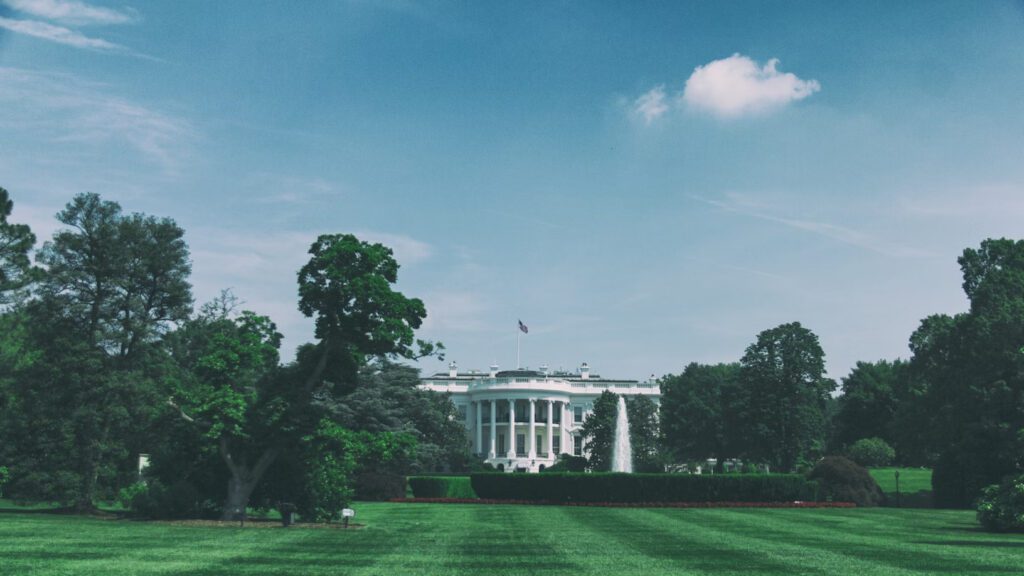
Presidents’ Day, observed on the third Monday of February, is a significant holiday in the United States. Originally established to honour George Washington, the first President of the United States, it has since evolved into a broader celebration of all U.S. presidents.
This day provides an opportunity to reflect on the contributions of past leaders, the importance of the presidency, and the values of leadership and democracy. But what is the significance of Presidents’ Day, and why does it hold such an important place in American culture? Let’s explore its origins, how it is celebrated, and the role of the presidency in shaping the nation.

“Presidents are the repository for America’s dreams. Each is both the head of government and the ceremonial leader of the United States.”
– Walsh, Kenneth T. (2024). Celebrity in Chief: A History of the Presidents and the Culture of Stardom. Routledge, Taylor & Francis.
What Is Presidents’ Day?
Presidents’ Day, officially known as Washington’s Birthday, was first recognised in 1879 as a celebration for government offices in Washington, eventually later expanding in 1885 to include all federal offices. Though originally celebrated on Washington’s actual birthday of February 22nd, it was moved to the third Monday of February as a result of the Uniform Monday Holiday Act taking effect in 1971.
Over time, the holiday has expanded to honour all U.S. presidents, particularly Washington and Abraham Lincoln, whose birthdays both fall in February.
Key facts about Presidents’ Day
Date: Celebrated on the third Monday of February each year.
Origins: Initially established to honour George Washington’s birthday.
Federal holiday: Many schools, businesses, and government offices close for the day.
Broader recognition: While officially called Washington’s Birthday, it is widely referred to as Presidents’ Day to honour all U.S. presidents.

“Washington was seen as a man of honor and virtue. He could have been king but chose instead to be president. That alone endeared him to his countrymen.”
– Genovese, Michael A. (2012). A Presidential Nation: Causes, Consequences, and Cures. Routledge, Taylor & Francis.
How Do People Celebrate Presidents’ Day?
Presidents’ Day is marked in various ways across the United States, reflecting its historical and cultural significance. While it is not as widely celebrated with public festivities as other holidays, it remains an important occasion for education, reflection, and community engagement.
Common ways people celebrate
Educational activities: Schools often organise lessons and projects about U.S. presidents and their contributions to the nation.
Visits to historical sites: Museums, presidential libraries, and landmarks such as Mount Vernon and the Lincoln Memorial host special events and exhibits.
Retail sales: Presidents’ Day has become synonymous with major sales events, with discounts offered on a wide range of products.
Community events: Some cities hold parades, public ceremonies, or re-enactments to honour the legacy of past presidents.
Personal reflection: Many Americans take the opportunity to educate themselves about the presidency, perhaps even voicing their views on the matter.
“…we must be aware that voters have their own priorities and perspectives. They look directly at the candidates and make their own evaluations, and they decide which events and conditions are important enough to be concerned about.”
– RePass, David E. (2020). Listening to the American Voter: What Was On Voters’ Minds in Presidential Elections, 1960 to 2016. Routledge, Taylor & Francis.
The Office of the President: A Pillar of American Democracy
The presidency is one of the most powerful and visible roles in the world. As the head of state, the President of the United States is meant to represent the nation’s values, lead its government, and serve as a symbol of unity and leadership.
However, the power of the presidency is not absolute. The U.S. Constitution was carefully designed to ensure that the President’s authority is balanced and checked by the other branches of government, preventing the office from becoming akin to an absolute monarchy.
Why the presidency matters
Leadership in times of crisis: Presidents have guided the nation through wars, economic challenges, and social upheavals. For example, Franklin D. Roosevelt led the country during the Great Depression and World War II, while Abraham Lincoln preserved the Union during the Civil War.
Shaping policy and progress: The President plays a critical role in shaping domestic and foreign policy, influencing areas such as healthcare, education, and international relations.
Checks and balances: The President’s power is limited by the Constitution through a system of checks and balances. Congress, the judiciary, and even the states play vital roles in ensuring that no single branch of government becomes too powerful. products.
Representation on the global stage: Presidents have embodied the United States in diplomatic efforts and promoted the nation’s ideals of freedom and democracy. legacy of past presidents.
Inspiration and legacy: Great presidents leave a lasting impact through their vision, courage, and dedication to public service.

“Government has grown but the presidency has remained fundamentally as it was always intended to be—the republic’s preeminent leadership position.”
– Ellis, Richard J. (2022). The Development of the American Presidency. Routledge, Taylor & Francis.
Reflecting on Presidential Leadership
Presidents’ Day is an opportunity to consider the qualities that define effective leadership. While each president has faced unique challenges, certain traits have consistently distinguished successful leaders.
Why the presidency matters
Vision: The ability to articulate a clear and inspiring direction for the nation.
Integrity: A commitment to honesty, transparency, and ethical decision-making.
Resilience: The strength to overcome adversity and criticism.
Empathy: An understanding of and connection to the needs of the American people.
Decisiveness: The capacity to make difficult decisions and take responsibility for their outcomes.

“…efforts to impeach . . . [are] intended to be used rarely, and only for those cases where a federal official endangered the welfare of the United States either through lawbreaking or malicious, gross, or corrupt misconduct.”
– William K. and Kaufman, Scott. (2025). Impeachment in U.S. History. Routledge, Taylor & Francis.
What Is the Significance of Presidents’ Day?
Presidents’ Day is more than just a day off or an opportunity to shop. It is a time to honour the leaders who have shaped the United States and to reflect on the values and responsibilities of the presidency. Importantly, it is also a reminder of the careful balance of power that defines American democracy. The President, while a powerful figure, operates within a system designed to prevent the concentration of unchecked authority, ensuring that the nation remains governed by the rule of law.
The significance of Presidents’ Day lies in its ability to connect Americans with their history, inspire reflection on the qualities of great leadership, and celebrate the democratic principles that underpin the presidency. Whether through learning about history, participating in community events, or simply taking a moment to consider the challenges and achievements of past presidents, this holiday offers a chance to connect with the nation’s democratic heritage.
As we celebrate Presidents’ Day, let us remember the enduring importance of leadership, service, and the pursuit of a more perfect union.
Further Learning

Browse our collection
For more on education, look to our expansive array of books on the topic.