What is Ethics?
Reading time
Date posted

Let’s Define “Ethics”
Ethics is the branch of philosophy that deals with questions about what is morally right and wrong, good and bad, fair and unfair. It involves the systematic study of principles and values that guide human conduct. Ethics seeks to establish standards of behavior that promote the well-being of individuals and society. It encompasses various theories and approaches to understanding moral principles, including deontology, consequentialism, and virtue ethics. By examining ethical principles, we can make informed decisions that align with our values and promote a just society.
What does “Ethics” Mean? Understanding the Origin and Etymology
The term “ethics” originates from the Greek word “ethos,” which means character or custom. It was first used by ancient Greek philosophers like Socrates, Plato, and Aristotle to describe the study of moral principles and behavior. Over time, the concept of ethics has evolved to encompass a broader range of moral issues and dilemmas. The etymology of the term reflects its focus on the character and customs that shape human behavior, and by understanding the origins of the term it helps us comprehend how the concept has developed to shape contemporary moral thought — still arguably centered on character and custom.
Ethics Versus Morals
While ethics and morals are often used interchangeably, they have distinct meanings. Ethics refers to the systematic and philosophical study of moral principles and values, while morals are the personal and cultural beliefs and practices concerning what is right and wrong. In this sense, ethics is a theoretical discipline that seeks to analyze and justify moral principles, whereas morals are the lived expressions of those principles in everyday life. Ethics provides a framework for evaluating moral behavior, helping us navigate complex moral dilemmas and make decisions that align with our values.
The Importance of Ethics
The Role of Ethics in Society
Ethics is fundamental to the functioning of society. It provides a guide for individual behavior, which can be collectively applied as a framework for evaluating and guiding the behavior of society as a whole. Ethical principles help establish norms and standards across the society — for example promoting social justice, equality, and fairness. These principles also provide a basis for resolving conflicts and addressing moral dilemmas, and ensuring that decisions are made in the best interest of the community. By fostering ethical behavior, society can create a more just and equitable environment, where individuals are treated with respect and dignity. The role of ethics in society is essential for maintaining social order and promoting the common good.
Ethics in Individual Behavior
As ethics provides a framework for a society’s norms, so it also plays a crucial role in guiding individual behavior, helping us make decisions that reflect core values and principles — our own and the culture we live in. By adhering to ethical standards, individuals can cultivate virtues such as honesty, integrity, and compassion. Ethical behavior helps foster a sense of responsibility and accountability, qualitites associated with personal development. Through these qualities it can also help build relationships underpinned by respect and trust. Developing a sense of ethical behavior in individuals can then also lead to a more harmonious and just society, whilst understanding the importance of ethics in individual behavior helps develop a sense of moral character and helps make informed decisions.
Ethics in Professional Settings
Ethics is vital in professional settings, guiding behavior and decision-making in various fields. Professional ethics involves adhering to standards and codes of conduct that promote integrity, accountability, and transparency. It helps professionals navigate complex moral dilemmas and make decisions that align with their values and responsibilities. Ethical behavior in professional settings fosters trust and credibility, ensuring that individuals and organizations act in the best interest of their clients, colleagues, and society. Understanding the importance of ethics in professional settings is essential for maintaining high standards of conduct and promoting ethical practices.
Ethical Theories and Principles
An Overview of Major Ethical Theories
Ethical theories provide frameworks for understanding and evaluating moral principles. Major ethical theories include deontology, consequentialism, and virtue ethics:
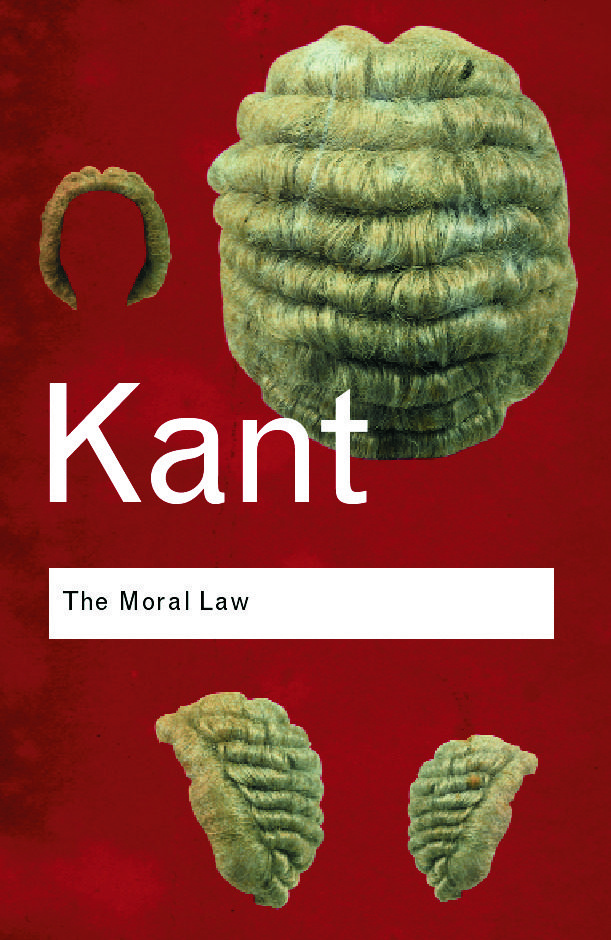
– Deontology, developed by Immanuel Kant, focuses on the inherent rightness or wrongness of actions, emphasizing duties and rules.
– Consequentialism, including utilitarianism, evaluates actions based on their outcomes, aiming to maximize overall happiness and well-being.
– Virtue ethics, rooted in Aristotle’s philosophy, emphasizes the development of moral character and virtues.
These theories offer different perspectives on ethical decision-making, helping us navigate complex moral dilemmas.
The Key Principles in Ethical Decision Making
Ethical decision-making involves applying key principles to evaluate and guide behavior. These principles include autonomy, beneficence, non-maleficence, and justice.
– Autonomy emphasizes the importance of respecting individuals’ rights and choices.
– Beneficence involves promoting the well-being of others and acting in their best interest.
– Non-maleficence requires avoiding harm and minimizing risks.
– Justice focuses on fairness and equality, ensuring that individuals are treated with respect and dignity.
By applying these principles, we can make informed and ethical decisions that align with our values and promote the common good.
Codes of Ethics in Professional and Public Fields
Codes of ethics provide guidelines for behavior and decision-making in various fields, including healthcare, business, and law. These codes outline the standards and principles that professionals are expected to adhere to, promoting integrity, accountability, and transparency. For example, the Hippocratic Oath in healthcare emphasizes the importance of beneficence and non-maleficence, guiding medical professionals in their practice. In law, the American Bar Association Model Rules of Professional Conduct guide attorneys and regulators in ethical legal practice. In business, codes of ethics promote fair and ethical practices, ensuring that organizations act in the best interest of their stakeholders. Understanding the role of codes of ethics is essential for maintaining high standards of conduct in professional positions, and supporting these through the promotion of ethical practices.
The Application of Ethics
Ethics in Everyday Life
Ethics plays a crucial role in everyday life, guiding behavior and decision-making in various contexts. By adhering to ethical principles, individuals can navigate complex moral dilemmas and make decisions that reflect their values and principles. Ethical behavior can help individuals build stronger relationships through the promotion of positive traits which help engenders qualities such as trustworthiness, honesty and respect.
Business Ethics and Corporate Responsibility
Business ethics involves adhering to standards and principles that promote integrity, accountability, and transparency in business practices. It helps organizations navigate complex moral dilemmas and make decisions that align with their values and responsibilities. Corporate responsibility involves acting in the best interest of stakeholders, including employees, customers, and the community. Ethical behavior in business fosters trust and credibility, ensuring that organizations act in a fair and ethical manner. Understanding the importance of business ethics and corporate responsibility is essential for maintaining high standards of conduct and promoting ethical practices.
Ethics in Healthcare and Other Professions
Ethics is vital in healthcare and other professions, guiding behavior and decision-making in various fields. Professional ethics involves adhering to standards and codes of conduct that promote integrity, accountability, and transparency. In healthcare, ethical principles such as beneficence, non-maleficence, and autonomy guide medical professionals in their practice. These principles help ensure that patients receive fair and ethical treatment, promoting their well-being and dignity. Understanding the importance of ethics in healthcare and other professions is essential for maintaining high standards of conduct and promoting ethical practices.
The Evolution and Future of Ethics
The Historical Development of Ethical Thought
The historical development of ethical thought can be traced back to ancient Greece, where philosophers like Socrates, Plato, and Aristotle began to explore questions about moral principles and behavior. Over time, ethical theories and approaches have evolved, reflecting changes in social, cultural, and philosophical contexts. During the Middle Ages, ethical thought was influenced by religious and theological perspectives, while the Enlightenment period saw a renewed focus on reason and individual rights. In modern times, ethical thought has continued to evolve, incorporating insights from various fields and addressing contemporary moral challenges.
Contemporary Ethical Challenges
Contemporary ethical challenges involve navigating complex moral dilemmas in various contexts, including technology, healthcare, and environmental issues. Advances in technology, such as artificial intelligence and genetic engineering, raise questions about bias, privacy, autonomy, and the nature of human identity. Healthcare challenges concern addressing issues related to access, equity, and the ethical implications of medical advancements. Whilst ethical challenges to contemporary environmental concerns involve balancing economic growth with promoting sustainability and addressing the ethical implications of climate change. Understanding and addressing these contemporary ethical challenges is essential for developing informed and ethical practices.
The Future of Ethical Standards and Practices
The future of ethical standards and practices involves adapting to changes in social, cultural, and technological contexts. As society continues to evolve, ethical principles and standards must be re-evaluated and updated to address new moral challenges. This involves promoting ethical education and awareness, fostering a culture of integrity and accountability, and developing frameworks for ethical decision-making. By addressing the future of ethical standards and practices, we can ensure that individuals and organizations act in a fair and ethical manner, promoting the common good across society.
Common Ethical Questions and Dilemmas
What is Ethical Behavior?
Ethical behavior involves adhering to principles and values that promote the well-being of individuals and society. It involves making decisions that reflect our values and responsibilities, acting with integrity, accountability, and transparency. Ethical behavior promotes personal growth and development, fostering a sense of responsibility and accountability. Whilst ethical behaviour helps individuals build trust and respect in their relationships, understanding what constitutes ethical behavior is essential for developing a strong moral character and making informed decisions.
Addressing Common Moral Dilemmas
Addressing common moral dilemmas involves navigating complex ethical challenges and making decisions that align with our values and principles. Moral dilemmas often involve conflicts between competing values or interests, requiring careful consideration and ethical reasoning. By applying key ethical principles, such as autonomy, beneficence, non-maleficence, and justice, we can make informed and ethical decisions that promote the common good. Understanding how to address common moral dilemmas is essential for developing ethical acumen and navigating complex moral challenges.
How Individuals Can Develop Ethical Acumen
Developing ethical acumen is a dynamic and lifelong process that involves more than simply understanding rules or guidelines — it requires the internalization of moral values and the consistent application of ethical reasoning in real-life situations. Individuals can begin by cultivating core virtues such as honesty, integrity, empathy, courage, and compassion. These character traits serve as a moral compass, enabling people to act in ways that are respectful, fair, and just.
A key step in fostering ethical acumen is engaging in ethical education and self-reflection. This includes studying ethical theories, analyzing case studies, and participating in discussions that challenge one’s assumptions and biases. Formal education, mentorship, and training programs can further deepen an individual’s understanding of ethical frameworks and improve their ability to evaluate complex moral dilemmas.
Equally important is the creation of a supportive ethical environment — whether at home, in schools, or in workplaces. Encouraging open dialogue, constructive feedback, and ethical role models helps reinforce positive behavior and build a culture of accountability and trust. Individuals also benefit from developing structured approaches to decision-making, such as identifying stakeholders, considering consequences, evaluating options through ethical principles (like justice, autonomy, and beneficence), and reflecting on long-term impacts.
By integrating ethical principles into everyday choices and consistently practicing moral reasoning, individuals enhance their ethical sensitivity, judgment, and resilience. In doing so, they become more equipped to face ethical challenges with confidence and contribute meaningfully to a more responsible and conscientious society.
Conclusion: Why Ethics Matters and Where to Go Next
Understanding ethics is essential not only for academic exploration but for shaping how we live, work, and relate to others. It is embedded in the foundations of modern day society, with practical implications for how our institutions, our professions and how we as individuals act towards one another. With varied theories such as deontology, consequentialism, virtue ethics, and key principles such as autonomy, beneficence, non-maleficence, and justice, ethics provides a framework for making principled decisions in an increasingly complex world. To help navigate this area, individuals can develop ethical acumen by cultivating core virtues, engaging in ethical education, and practicing reflective decision-making. Ethics is not a fixed set of rules, but an ongoing process of learning, questioning, and applying values in context.
For those looking to go deeper, consider exploring the following areas:
– Applied ethics in fields such as medicine, AI, environmental science, and journalism.
– Ethical case studies to see how dilemmas are handled in real-world settings.
– Philosophical texts, such as Aristotle’s Nicomachean Ethics, Kant’s Groundwork of the Metaphysics of Morals, or Mill’s Utilitarianism.
– Contemporary issues in bioethics, business ethics, or tech ethics.