What is Metaphysics?
Reading time
Date posted

Defining Metaphysics
Metaphysics is a branch of philosophy that explores the fundamental nature of reality, existence, and the universe. It seeks to answer questions that go beyond the physical sciences, in topics such as being, time, space, causality, and possibility. The term “metaphysics” originates from the Greek words “meta” (beyond) and “physika” (physical), indicating its focus on what lies beyond the physical world. Metaphysics examines the principles and structures that underlie all things, aiming to understand the essence of reality itself. As one of the oldest areas of philosophical inquiry, metaphysics encourages us to contemplate not only what exists but also why anything exists at all, prompting discussions about the ultimate nature of substance and the underlying laws that govern the cosmos. Ultimately, metaphysics challenges thinkers to critically analyze assumptions about reality, providing a conceptual framework that influences other areas of philosophy and drives the ongoing quest for knowledge about existence.
Why is Metaphysics Important in Philosophy?
Metaphysics plays a vital role in philosophy as it delves into the most profound and abstract questions about existence and reality. It provides a conceptual foundation for other philosophical inquiries, including ethics, epistemology, and logic, by probing the principles that underlie all aspects of the universe. This branch of philosophy helps in constructing coherent philosophical systems that can address existential questions beyond the scope of empirical science. By engaging with metaphysical questions, philosophers can develop theories about the universe’s nature and our role within it, which can influence other scholarly fields and disciplines. Metaphysics explores foundational questions that are difficult to resolve—such as the nature of existence, the structure of reality, and the concept of being—and often serves as a conceptual bridge between empirical science and abstract philosophical inquiry. Through this exploration, metaphysics enriches our conceptual framework, enabling a more nuanced interpretation of the world and deepening our intellectual curiosity. In addition, the importance of metaphysics extends to fostering critical thinking skills, as it challenges individuals to scrutinize basic assumptions and consider alternative possibilities. By continually questioning what is truly fundamental, metaphysics inspires ongoing debate and intellectual advancement within philosophy. As a result, the enduring significance of metaphysics lies in its capacity to shape not only the direction of philosophical thought but also the broader understanding of reality itself.
The Nature and Scope of Metaphysics
While metaphysics may seem abstract or distant from everyday life, its questions are deeply connected to how we understand ourselves and the world around us. What does it mean to exist? What is the nature of truth, change, or identity? These questions help shape how we understand the world and ourselves by exploring the nature of existence, identity, causality, and truth. These inquiries shape our worldview, influence ethical and scientific thinking, and challenge us to reflect more deeply on our beliefs. In this way, the scope of what metaphysics engages with provides not only a framework for understanding reality, but also a foundation for thoughtful, meaningful engagement with the world.
Fundamental Nature and Existence
Metaphysics investigates the fundamental nature of existence, asking what it means for something to exist and what constitutes reality. It explores concepts such as being, identity, and change, seeking to understand the essence of things. This inquiry involves examining the properties and relationships that define existence, as well as the conditions under which entities exist. By addressing these foundational questions, metaphysics aims to clarify the conceptual and structural principles underlying our understanding of reality.
Abstract Questions and Concepts
Metaphysics addresses abstract questions that are not directly accessible through empirical observation. It examines issues such as causality, possibility, necessity, and the nature of objects and their properties. Through thought experiments and logical analysis, metaphysicians explore these foundational ideas in an effort to better understand the conceptual structure of reality.
Branches of Metaphysics: Ontology, Cosmology, Epistemology
Metaphysics encompasses several branches, each focusing on different aspects of reality.
– Ontology is the study of being and existence, examining what entities exist and how they can be categorized.
– Cosmology explores the origins and structure of the universe, addressing questions about the nature of space, time, and the cosmos.
– Although epistemology is a distinct branch of philosophy concerned with knowledge, it intersects with metaphysics in exploring the nature of truth, belief, and justification.
Together, these disciplines contribute to a deeper philosophical understanding of reality.
The History of Metaphysics
Origins and Early Thinkers
The origins of metaphysics can be traced back to ancient Greece, where early philosophers like Parmenides and Heraclitus grappled with fundamental questions about existence and change. Parmenides argued that true reality is unchanging and eternal, while Heraclitus emphasized that change is constant and essential to the nature of the universe. These opposing views laid the foundation for later metaphysical inquiry, profoundly influencing thinkers like Plato and Aristotle and helping to shape the course of Western philosophy.
The Foundational Contributions of Aristotle and Plato
Plato and Aristotle made foundational contributions to metaphysics, offering distinct yet enduring views on the nature of reality. Plato’s theory of Forms held that abstract, perfect entities—Forms—represent the true essence of things, while the physical world is a mere reflection of this higher reality. In contrast, Aristotle focused on the concrete world, developing a detailed metaphysical framework centered on substances, their properties, and principles such as causality, potentiality, and actuality. Their contrasting approaches have shaped centuries of philosophical thought and remain central to metaphysical inquiry today.
The metaphysical frameworks of Plato and Aristotle deeply influenced later philosophical and theological systems, particularly throughout the medieval and early modern periods. Plato’s theory of Forms was adapted and expanded by thinkers like Plotinus, who founded Neoplatonism, a major philosophical and spiritual tradition that emphasized a transcendent, unified source of all reality. In the Christian tradition, Augustine of Hippo drew heavily on Platonic ideas to articulate theological concepts such as divine truth and the immaterial soul. Meanwhile, Aristotle’s metaphysics became foundational to Scholastic philosophy, especially through the work of Thomas Aquinas. During the Enlightenment and beyond, both Platonic and Aristotelian ideas continued to shape debates about reality, knowledge, and science, laying the groundwork for developments in metaphysics, logic, and ontology that still resonate in contemporary philosophy.
Development through the Middle Ages and Modern Times
During the Middle Ages, metaphysics was further developed by philosophers such as Thomas Aquinas, who integrated Aristotelian metaphysics with Christian theology. The Renaissance and Enlightenment periods saw a resurgence of interest in metaphysical questions, with thinkers like Descartes, Leibniz, and Kant offering new insights into the nature of reality. In modern times, metaphysics has continued to evolve, drawing on advances in science, logic, and language to address contemporary questions about existence, identity, and the nature of the universe.
Key Modern Thinkers in Metaphysics
Modern metaphysical thought has been shaped by influential thinkers who introduced new questions and approaches to the field:
– Martin Heidegger reoriented metaphysics around the fundamental question of Being.
– Alfred North Whitehead developed process philosophy to emphasize change and relationality as central to reality.
– W.V.O. Quine challenged the divide between metaphysics and empirical science, advocating for a more naturalized approach to ontology.
– David Chalmers, exploring the philosophy of mind, has brought renewed focus to the metaphysical challenges of consciousness.
Together, these thinkers have broadened the scope of metaphysical inquiry and opened new paths for exploring the nature of reality.
Metaphysics and Science
While metaphysics and science are distinct fields, they connect in meaningful ways. Science focuses on empirical observations and experiments to understand the physical world, whereas metaphysics deals with questions that transcend the scientific approach.
Intersections with Scientific Theories
Scientific discoveries can often prompt metaphysical inquiries – for example quantum mechanics challenging traditional notions of causality and reality – and the connections between metaphysics and science provide a broader context for understanding these discoveries. Take the theory of relativity, for example, which raises questions about the nature of space and time – metaphysical explorations can offer insights into how this impacts on our understanding of the universe, by helping us interpret this and other similar scientific theories along philosophical lines of inquiry.
Examination of Reality and Existence
As metaphysics can be used to examine the nature of reality and existence, addressing questions that science alone cannot answer, using a metaphysical approach can help us explore the fundamental principles that underlie the physical world, and understand the essence of things. This approach includes examining concepts such as causality, possibility, and necessity, providing a deeper, comprehensive, understanding of the nature of reality and our place within it.
Metaphysical Implications in Modern Science
Modern science has profound metaphysical implications, challenging traditional views of the nature of reality, existence, time and space, or the origins of the universe. For example, the discovery of dark matter and dark energy raises questions about the nature of the universe and the limits of our knowledge. Similarly, advances in neuroscience and artificial intelligence prompt metaphysical inquiries into the nature of consciousness, the possibility of machine intelligence, and simultaneously how different intelligences might perceive reality. Metaphysics helps interpret these scientific developments and offers insights into the broader implications for our understanding of the world around us.
Common Metaphysical Questions
Concepts of God and Spirituality
Metaphysical inquiry often addresses questions about the nature of God and spirituality. It explores concepts such as the existence of a higher power, the nature of divine attributes, and the relationship between the physical and spiritual realms. These queries help us understand how our religious beliefs affect, and are influenced by, how we perceive reality and our place within it. Religious beliefs, religious thought, and philosophical thought are further influenced by developments in metaphysics that continuously refines our knowledge of how these areas interact with each other.
Questions about Free Will and Consciousness
Metaphysics also addresses questions about free will and consciousness, exploring the nature of human agency and the mind. It examines whether humans have the ability to make free choices or if our actions are determined by external factors. Additionally, metaphysical inquiry into consciousness seeks to understand the nature of subjective experience and the relationship between the mind and the body. Engaging with these questions is a central exercise in expanding our comprehension of what intelligence and consciousness is, and how we determine human existence and identity.
Debating the Limits and Value of Metaphysics
Metaphysics has long faced scrutiny for its abstract and speculative nature. Critics, particularly in the 20th century, argued that metaphysical questions could be too abstract and speculative, making them difficult to answer definitively, and that without observable, verifiable evidence or clear logical criteria, metaphysical inquiry lacks the rigor of science or formal logic. Despite these criticisms, defenders of metaphysics maintain that its questions—about existence, causality, identity, and the nature of reality—are unavoidable and foundational. In fact, even denying the value of metaphysics often rests on implicit metaphysical assumptions. In response to these challenges, contemporary metaphysicians have adopted more rigorous methodologies, including formal logic, linguistic analysis, and engagement with scientific theories. These efforts aim to make metaphysical inquiry more precise, coherent, and relevant to broader philosophical and scientific discussions.
Conclusion: The Ongoing Value of Metaphysics
Metaphysics remains a vital part of philosophical inquiry today, offering tools for examining the most fundamental aspects of reality. From questions about existence, time, and causality to debates about consciousness and the nature of the universe, metaphysics continues to engage both philosophers and scientists. It provides a conceptual framework for interpreting complex ideas, encouraging deeper reflection on the structure of reality and our place within it.
The study of metaphysics fosters critical thinking and cultivates an appreciation for the depth and complexity of existence. It challenges us to go beyond surface-level understanding and to grapple with the foundational principles that underlie all areas of human knowledge. In doing so, metaphysics not only deepens our intellectual perspective but also enriches our sense of meaning and orientation in the world.
Related Books
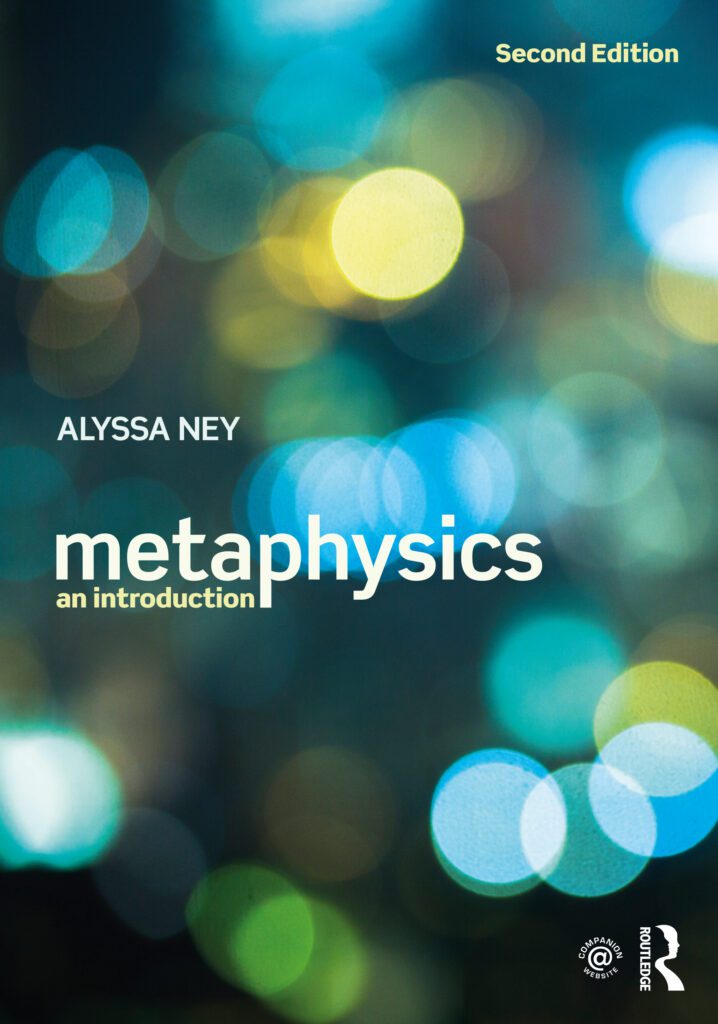
A comprehensive metaphysics textbook covering ontology, objects, free will, time, and causation, with new sections on indeterminacy and grounding.
What is this thing called Metaphysics?
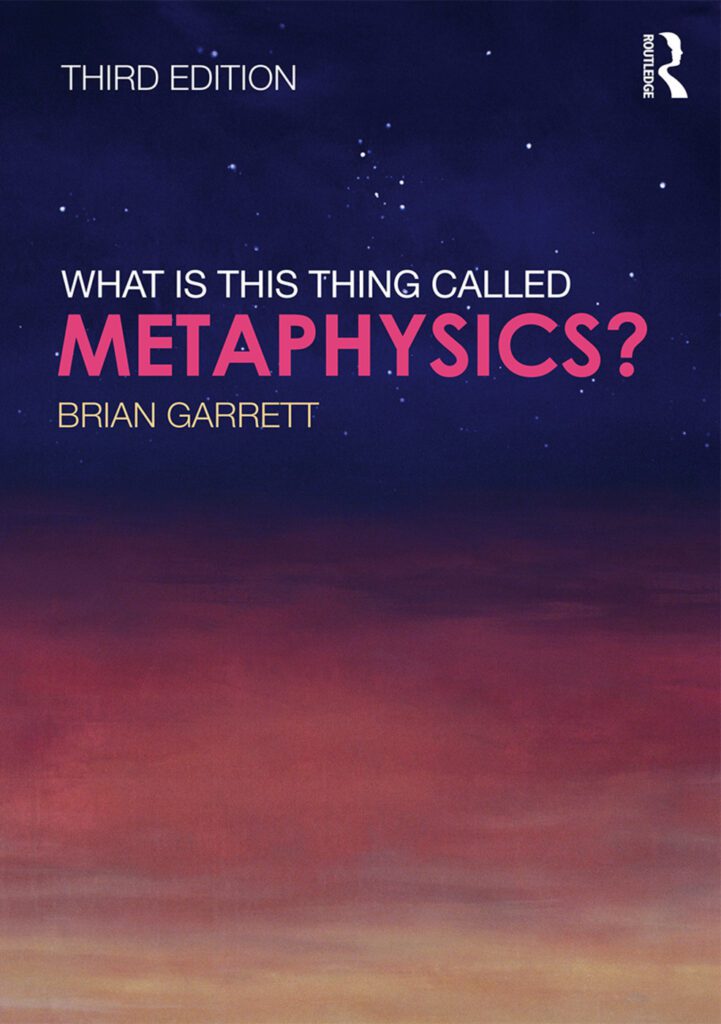
An accessible introduction exploring fundamental metaphysical questions about God, existence, time, free will, personal identity, and truth.
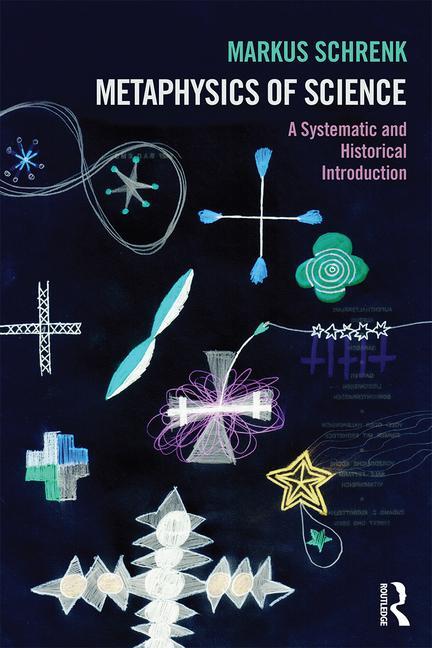
Explores the complex relationship between metaphysics and science, examining fundamental questions about laws, causation, and natural kinds.
