What is Philosophy?
Reading time
Date posted

What is philosophy? Philosophy seeks to understand the nature of reality, the world around us, and our place within it. Derived from the Greek words ‘philos’ (love) and ‘sophia’ (wisdom), it denotes a ‘love of wisdom’ and represents a systematic inquiry into ourselves and fundamental questions about existence, knowledge, values, reason, mind, and language. Definitions of philosophy span different countries, cultures, and areas of study, with approaches that have included Eastern Philosophy, Western Philosophy, Logic, Ethics, Metaphysics, Epistemology and Aesthetics. However, philosophy can touch on many different areas of life and questions can arise in almost every discipline, including philosophy of law, science, religion and language.
Defining the Core Concepts and Major Branches of Philosophy
The major branches form the foundation of philosophical inquiry, each addressing fundamental questions about our existence, knowledge, values, and the world around us, whilst providing a comprehensive framework for understanding and interpreting the complexities of human life and how we interact with the world and each other. The major branches of philosophy are well-worn pathways exploring the highest conceptual questions of our existence, and include:
Metaphysics
Metaphysics explores the fundamental nature of reality and existence. It addresses questions such as: What is the nature of being? What is the universe made of? Are there multiple realities? This branch of philosophy examines concepts like time, space, causality, and the relationship between mind and matter.
Epistemology
Epistemology is the study of knowledge. It investigates the nature, origin, and limits of human knowledge, including the difference between ‘knowledge’ and ‘belief’. Key questions include: What is knowledge? How do we acquire it? Can we truly know anything?
Ethics
Ethics, or moral philosophy, focuses on questions of right and wrong, virtue and vice, and moral responsibility. It explores the principles that govern human conduct and the nature of moral judgments. Ethical theories include utilitarianism, deontology, and virtue ethics, each offering different perspectives on how to live a good life.
Logic
Logic is the study of reasoning and argumentation. It provides the tools for analyzing and constructing valid arguments. Logic helps philosophers distinguish between sound reasoning and fallacies, ensuring that conclusions are drawn based on solid premises. It includes formal logic, symbolic logic, and informal logic.
Aesthetics
Aesthetics examines the nature of beauty, art, and taste. It addresses questions such as: What is beauty? How do we experience art? What is the role of aesthetics in human life? This branch of philosophy explores the creation and appreciation of art, the interpretation of artistic works, and the emotional responses they evoke.
In addition to the major branches, philosophy provides us with the ability to explore core areas relating to the societal, cultural and scientific structures around us. Some examples include Political Philosophy, which investigates the nature of government, justice, rights, and the role of individuals within society. It also examines the principles that should govern political institutions and the relationship between citizens and the state. Key topics include democracy, freedom, equality, and justice.
Philosophy of Mind explores the nature of consciousness, mental states, and the relationship between the mind and the body. An area of philosophy that intersects with psychology, neuroscience, and artificial intelligence, it addresses questions such as: What is consciousness? How do mental processes relate to physical brain functions? Can machines possess minds?
The Practical Application and the Role of Philosophers in Society
Philosophers play an important role in society by tackling big questions and helping us understand complex issues, especially in new and emerging areas. The area of bioethics, for example, has developed in recent years in response to developments and new technologies in the life sciences industries. Philosophers provide insght into decisions, policies, and ethical standards, analysing the rules that govern the behaviours of citizens, commercial business, and public bodies. Bioethicists may study medical ethics, for example, to deal with issues related to medical practices, patient rights, and healthcare policies; making sure ethical standards are followed in medical research and practice.
Philosophers also look at public policy and law by analyzing justice, rights, and governance. Their work can help create policies that evenly impact on society as a whole, or provide a framework for studying the ideas underpinning our society, and helping to develop laws and policies around these values. Additionally, philosophers are crucial in education, promoting critical thinking and intellectual curiosity. They teach students to question assumptions, analyze arguments, and develop clear worldviews.
Why Study Philosophy?
If you are thinking of studying philosophy, or just curious, you might be asking yourself ‘what will it teach me that I can use every day?’ Philosophy helps develop many in-demand transferable skills, as well as fostering an appreciation for diverse perspectives, personal development and a growth mindset.
Critical Thinking and Analytical Skills
Philosophy teaches students to think analytically and critically – to question assumptions, evaluate arguments, and develop clear, logical reasoning. Additionally, students learn to approach problems systematically and creatively. This allows them to identify underlying issues, analyze complex situations, and develop innovative solutions. These skills are essential not only in academic settings but also in everyday decision-making and problem-solving.
Communication Skills
Learning to explain complex ideas clearly and persuasively, engage in thoughtful debate, and present arguments in a structured and compelling way can improve both written and verbal communication skills. These skills are relevant to a number of professions, and especially so in those industries with a focus on communication such as law, journalism, and business.
Ethical and Moral Reasoning
Philosophy provides a strong foundation in ethical and moral reasoning, and the skills to explore various ethical theories and apply them to real-world problems. Whilst useful in careers in medicine, law, and public policy, these abilities also help us gain a deeper understanding of emerging areas such as the ethics of technology, environmental sustainability, and social justice.
Studying philosophy develops versatile and adaptable skills that are valuable in many career paths, especially fields like academia, law, business, and government. By learning to think critically, communicate effectively, and handle complex ethical issues, philosphy graduates develop many skills which can be valuable in many professional settings. Overall, studying philosophy helps undergraduates develop critical thinking, communication, ethical reasoning, and problem-solving skills. It also fosters intellectual curiosity, personal growth, and adaptability, preparing them for a wide range of careers and a thoughtful, reflective life.
Want to Know More About Philosophy?
For those interested in understanding more about philosophy, and some of the key thinkers such as Bertrand Russell,Jean-Paul Sartre, Immanuel Kant, Maurice Merleau-Ponty, Michel Foucault, Mary Midgley and Simone Weil, Routledge books are both a perfect introduction and ideal for enhancing your understanding and appreciation of this field. The Routledge Classics include seminal works by some of the greatest minds in philosophy, texts which have stood the test of time and continue to influence philosophical thought and discourse.
Modern areas are explored in our series of ‘Why It’s OK…’ books, covering modern beliefs and actions, whilst those wanting more information on areas such as ethics, metaphysics, epistemology, political philosophy, and more can find insights and explorations from leading classical and contemporary philosophers.
The Routledge Encyclopedia of Philosophy (REP) is an invaluable resource for students and academics seeking detailed information on philosophical topics for their studies or research. It includes over 2,800 articles written by experts, covering a vast array of subjects from ancient philosophy to contemporary issues. The REP is regularly updated, ensuring that readers have access to the latest scholarly research and developments in the field.
Exploring these resources can provide a deeper understanding of philosophy and its practical applications in various aspects of life. Whether you’re a student, a professional, or simply curious about philosophical questions, Routledge’s offerings are a great place to start.
Related books
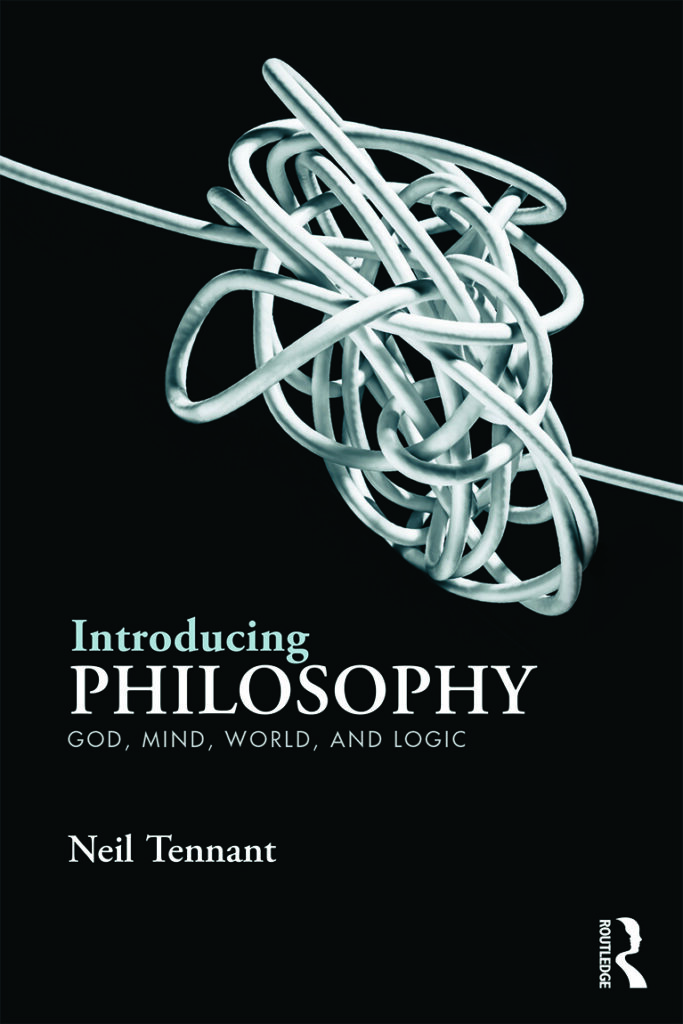
Empowers readers to think critically about fundamental questions spanning God, mind, world, and logic—connecting philosophy to diverse academic fields while providing intellectual tools valuable throughout college and beyond.

Offers an engaging approach to evaluating arguments and building theories. This 8th edition connects historical texts with modern sciences, featuring new chapters on probability, evolutionary altruism, and diverse philosophical perspectives.

A witty guide to logical reasoning that explains fallacies like “humpty-dumptying,” “weasel words,” and the difference between “red herrings” and “straw men”—empowering readers to recognize and construct sound arguments.
