Hope, Healing, and Family-Based Treatment: Inside the New Edition of My Kid is Back
Reading time
Date posted

Introduction

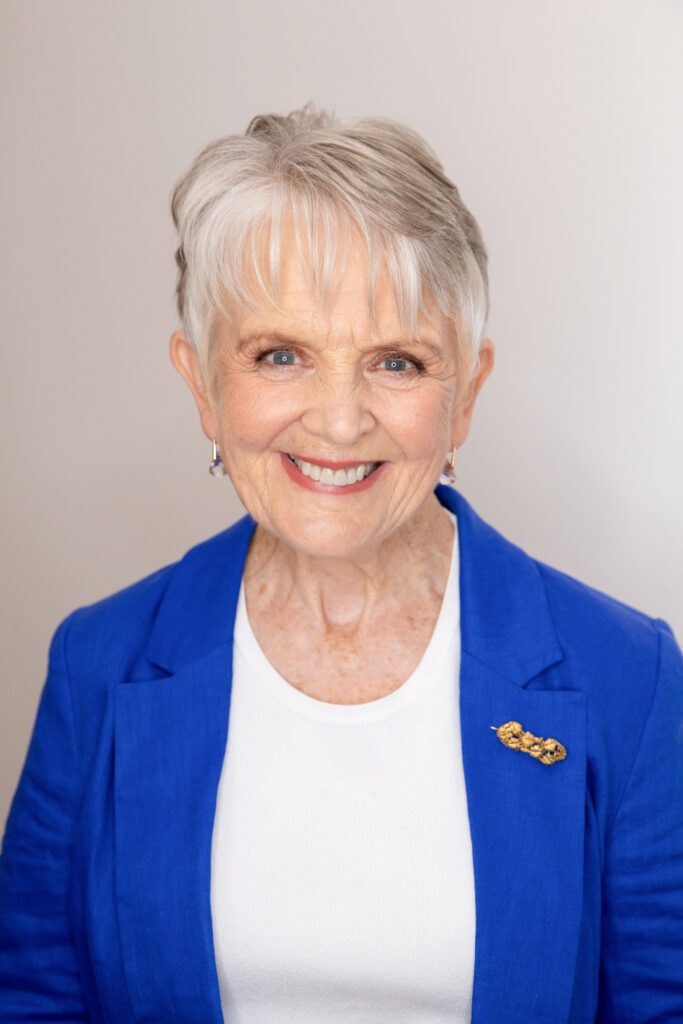
With my co-author, Professor Daniel Le Grange, I welcome the worldwide release of My Kid is Back, Second Edition. This updated and expanded book offers renewed hope, essential knowledge, and practical guidance for families supporting a young person with anorexia nervosa. Families from Australia, the United States, the United Kingdom, and New Zealand generously share their stories of pain, perseverance, and recovery.
At the heart of My Kid is Back is Family-Based Treatment (FBT), the most rigorously studied and widely endorsed outpatient treatment for children and adolescents with anorexia nervosa. Often referred to as the “Maudsley Approach,” FBT empowers parents to take an active, central role in their child’s recovery. In this book, families speak openly about how this treatment has helped them reclaim their lives and relationships from an illness that thrives on secrecy and separation.
Recovery from an eating disorder is never a straight line. My Kid is Back, Second Edition, does not shy away from the messiness, doubt, or grief that can come with the healing process. It offers a rare blend of clinical insight and lived experience—stories that validate the struggles families face, while highlighting what is possible when evidence-based care is accessed early and delivered with unity, compassion, and determination.
This edition builds on the foundations of the original My Kid is Back, first published in 2009 when FBT was still unfamiliar to many families and professionals. Since then, FBT has become recognised globally as the gold standard for outpatient treatment of adolescent anorexia nervosa. As more clinicians are trained in FBT and families access it, the potential for earlier intervention—and therefore swifter, more complete recovery—is increasing.
However, significant gaps remain. One of the most striking patterns in the family stories featured in the book is how long it often takes to find the right help. Many parents describe being referred from one service to another, sometimes over months or years, without hearing the term “Family-Based Treatment” even once. Others say they were told, outright, that they should “step back” and leave treatment to the professionals—advice directly at odds with what FBT encourages. These delays can cost a young person their physical and emotional well-being—and a family’s peace.
FBT turns this narrative around. It invites parents to lean in—to become the primary carers in their child’s recovery, supported by a professional team that guides, informs, and respects the family’s unique knowledge and strengths. As Professor Le Grange says, “No one has as much commitment as the parents to hang in there with their child.” The FBT approach is built upon this principle: that love, when combined with structure and support, is the most powerful healing force we have.
Families featured in the book describe what living with anorexia nervosa is truly like: the fear and confusion of watching a loved one disappear before your eyes; the bewildering mix of rage, denial, and heartbreak that the illness can stir; the daily grind of meals and rest, weighed down by conflict and dread. But they also describe the turning points—moments when hope returned, meals were finished, and laughter resurfaced. These small victories, over time, became foundations for long-term recovery.
Importantly, young people’s voices are also included. Some are in full recovery, while others are still navigating their path. Their accounts help demystify the illness and remind us that recovery is not about perfection—it’s about reclaiming the self. Many express a shared wish: that their stories might help other young people feel less alone, and help parents spot the signs earlier, act sooner, and find the right kind of help.
My Kid is Back is also a call to action for health professionals, educators, and policymakers. The stories make clear that treatment delays are not only frustrating but harmful. The longer anorexia nervosa is left unchallenged, the more entrenched it becomes. Early intervention, especially with a method as effective as FBT, can prevent years of suffering.
This second edition has been updated with new stories and expanded information on the evolution of FBT. It reflects growing awareness of neurodiversity, the role of co-occurring conditions, the importance of peer mentoring and parent coaching, and the emergence of more flexible and inclusive treatment adaptations.
Whether parents are just beginning to suspect something is wrong with their child, are in the midst of a difficult treatment journey, or are looking for resources to guide recovery after hospitalisation, this book has something to offer. It is not a textbook. It is a resource written from the inside out—by people who have lived it, survived it, and are now helping others find their way.
The Power of Parental Involvement and Why Early Intervention Matters
One of the most striking messages in My Kid is Back is that recovery from anorexia nervosa is most likely when treatment is timely, evidence-based, and fully engages the family. At the centre of this model is FBT, which affirms a simple and profound truth: parents are not the problem—they are the solution.
Anorexia nervosa is a biologically influenced, psychologically expressed illness that thrives in secrecy, rigidity, and emotional disengagement. FBT directly counters these dynamics by placing the family, especially parents, in an active and central role. Instead of being side-lined or blamed, parents are entrusted with restoring their child’s health under the careful guidance of a trained therapist and support from a multidisciplinary team.
This approach may feel radical, particularly for clinicians accustomed to models that either treat the adolescent individually or assume family dynamics are a cause of the illness. In contrast, FBT views the eating disorder as a separate entity—an invader that has hijacked the young person’s mind and body—and mobilises the family as the strongest available defence.
Professor Le Grange often says, “No one has greater commitment to the well-being of their child than their parents.” This insight is repeatedly borne out in clinical research and real-life accounts. Parents possess emotional investment and unique knowledge of their child’s habits, temperament, and daily routines. They are often the first to sense something is wrong, sometimes long before formal symptoms become visible.
Yet, despite this natural advantage, many parents are told to “step back,” “avoid conflict,” or wait for the young person to “choose recovery.” These well-meaning but misguided approaches risk reinforcing the illness and delaying recovery. In contrast, FBT offers a structured framework that equips parents to act decisively and compassionately rather than waiting passively while the illness deepens.
In My Kid is Back, many families recount how they were initially left in the dark—visiting general practitioners, school counsellors, emergency departments—only to be met with reassurances, misdiagnoses, or insufficient follow-up. Some families describe waiting months for a specialist referral, only to learn about the FBT method not from a clinician, but from other parents in online forums or through frantic internet searches.
These stories underscore the urgent need for improved dissemination of FBT within clinical settings. The science exists. The manuals have been published. The training programs are available. What remains is for more healthcare professionals to be aware of, trained in, and committed to offering this first-line treatment option as early as possible.
Early intervention matters. When anorexia nervosa is addressed swiftly—ideally within the first three months of symptom onset—outcomes are significantly better. Young people are more likely to regain weight quickly, resume normal development, and sustain recovery long-term. Delays not only increase the medical risks associated with malnutrition, but also allow cognitive distortions to become more entrenched and the illness identity to fuse with the young person’s sense of self.
Early intervention does not mean simply starting therapy sooner—it means starting the right therapy sooner. FBT provides a transparent and replicable method for families to begin treatment at home, with clinical oversight, even while waiting for specialist services in more resource-limited regions.
It is also essential to acknowledge that FBT is not without challenges. It demands a lot from families—logistically, emotionally, and relationally. The parents or caregivers must reorient their role from nurturer to nutritional authority; siblings may feel neglected or confused; and adolescents may react with anger or withdrawal. However, these responses are not signs of failure—they are predictable aspects of the process, and skilled FBT clinicians are trained to support families through them.
Moreover, as families move through FBT’s structured phases, they often experience clinical improvement and personal transformation. The shared challenge of confronting the illness can forge stronger communication, clearer boundaries, and deeper trust within the family unit.
One important shift FBT requires for clinicians is humility. Years of academic training do not replace a parent’s lived experience of their child. Therapists trained in FBT are not “fixers” but collaborators—guides who equip and coach families while respecting their agency. This can be a paradigm shift for professionals accustomed to more expert-driven models of care.
My Kid is Back advocates for a cultural and clinical reorientation toward early, family-led, evidence-informed treatment. Anorexia nervosa is serious and complex, but it is not untreatable. When families are empowered, clinicians are informed, and systems respond quickly, young people can recover.
A Personal Story — From Lived Experience to Advocacy
While this book focuses on Family-Based Treatment (FBT) for adolescents, my experience of living with anorexia nervosa for over four decades gives me a deeply personal understanding of why early intervention matters.
I developed anorexia nervosa in 1962, shortly after turning 11, in rural Australia. At that time, the illness was barely recognised. There were no specialists, no diagnostic criteria, and no treatments. My behaviours were dismissed as fussiness or teenage rebellion, when in fact I was in the grip of a life-threatening illness I neither understood nor could control.
On the outside, I appeared high-functioning. I completed school, became a journalist at 18, and married at 20. But anorexia came with me—silent, invisible, and insistent. Over the years, my illness morphed between restrictive eating and bulimia nervosa, dictating how I ate, moved, and lived. I maintained a professional image, but privately battled anxiety, shame, and disconnection.
At 28, I confided in a doctor for the first time. My illness was misdiagnosed for five more years. By the time a psychiatrist recognised I had an eating disorder, it had taken root for 17 years, causing damage to my body, mind, and family relationships.
Recovery came slowly. With patient psychiatric support, I eventually reclaimed a healthy relationship with food. In 2006, in my mid-fifties, I reached a turning point: I could eat three meals and three snacks a day without guilt or compensatory behaviours. But decades of untreated illness had left scars.
My family of origin never truly understood. Comments like “How can you be sick if you’re working?” reveal how society often misunderstands eating disorders, especially when they affect high-functioning individuals. These misconceptions reinforced my illness and delayed my healing.
Throughout those years, writing was my lifeline. My diaries gave voice to what I couldn’t share aloud. Later, they became a tool for research and advocacy—first for myself, and then for others. As my health improved, I shared my story, hoping others wouldn’t be left unheard as I was.
In 2009, this advocacy led to the first edition of My Kid is Back, co-authored with Prof. Le Grange. Our goal was to bridge the gap between clinical research and lived experience, showing that recovery is possible at home, with the proper support.
That mission continues in this second edition. My Kid is Back is not about me, but my story shows what can happen when treatment is delayed, and what becomes possible when families are empowered to act. My story could have been different if my family had access to FBT in the 1960s.
I see myself in the young people featured in this book—their fear, confusion, and bravery. Today, treatment exists. Parents can be equipped. Children can heal. Families can recover. I hope that, by sharing my experience, I can help shorten the path to recovery for others.
How FBT Changed My Life’s Work — Meeting Prof. Le Grange and Writing My Kid is Back
By the early 2000s, I had reclaimed a significant measure of wellness after decades of living with anorexia nervosa. Years of psychiatric support, therapeutic writing, and personal insight had brought stability. But the loss of time continued to haunt me. I often asked: What if I’d received help at age 11? What if my parents had been empowered rather than confused and sidelined?
While researching my memoir, A Girl Called Tim (https://lifestoriesdiary.com/books/a-girl-called-tim/), I discovered Family-Based Treatment (FBT). It felt revelatory. Everything I had needed as a child—early intervention, family inclusion, non-blaming language—was at the heart of this approach. My first reaction was: Why don’t all families know about this? I felt compelled to help raise awareness of FBT, especially in Australia, where it was still relatively unknown.
I contacted Prof. Le Grange, a leading expert in adolescent eating disorders. He responded with generosity and enthusiasm. I was elated. When we met at the University of Chicago, Prof. Le Grange treated me not as a patient or case study but as a collaborator. That first conversation sparked a partnership grounded in mutual respect—his clinical and research expertise and my lived experience and writing.
Together, we co-authored My Kid is Back (2009), the first book to document FBT from the family’s perspective. It featured real stories of parents and young people who implemented FBT at home. The book resonated widely—families felt seen, clinicians gained practical insight, and advocacy groups used it as a resource. It bridged a critical gap between scientific literature and everyday life with an eating disorder.
I continued writing and mentoring, authoring several more books on recovery, resilience, and narrative healing. I completed a PhD exploring diary writing as a therapeutic tool, and in 2024, the National Library of Australia formally acquired my diary collection—over 70 volumes chronicling six decades of life with and beyond anorexia. This recognition honoured my personal journey and the broader value of lived experience in healthcare.
Over the years, I remained deeply engaged with FBT. Speaking with families worldwide, I heard recurring themes—struggles, turning points, and a shared need for better access to timely, family-led care. These conversations clarified that a new edition of My Kid is Back was needed to reflect FBT’s evolution and address today’s challenges.
Prof. Le Grange and I reconvened. Our second edition includes updated clinical content, new family voices, and expanded discussion of neurodiversity, caregiver fatigue, and global barriers to access. It also acknowledges the vital roles of peer mentors and parent coaches—people who, like me, turned hardship into advocacy.
Our collaboration affirms a core belief: the best healthcare solutions arise when clinical expertise and lived experience come together. This book is for clinicians seeking deeper understanding, parents desperate for guidance, and young people looking for hope.
Every child deserves a chance to recover, and every family deserves the knowledge to help them get there.
Understanding FBT — From the Maudsley Model to a Global Standard
Family-Based Treatment (FBT) is more than a clinical method—it represents a paradigm shift in how adolescent anorexia nervosa is understood and treated. It challenges outdated assumptions, restores agency to families, and brings treatment into the environment where the illness often takes hold: the home.
FBT emerged in the 1980s through the work of Professor Ivan Eisler and colleagues at the Maudsley Hospital and Institute of Psychiatry in London. Their team, composed of child psychiatrists, psychologists, and family therapists, recognised that conventional treatments were failing. Inpatient care was costly and disruptive, individual therapy sometimes failed to stop weight loss, and parents were frequently excluded or blamed.
The Maudsley team saw things differently. Drawing on structural family therapy and Salvador Minuchin’s work, they developed a model that positioned parents not as part of the problem but as the core of the solution. By externalising the illness—treating anorexia as a separate force invading the young person’s life—they empowered families to take back control.
Known initially as “Maudsley Family Therapy,” this approach focused on practical, structured, home-based interventions. Parents were guided to take charge of meals, interrupt dangerous behaviours, and support weight restoration, all within a non-blaming, collaborative framework. The model resonated because it delivered clinical results while respecting family bonds.
In the mid-1990s, Prof. Le Grange introduced the work he had done with the team at the Maudlsey Hospital in London to his colleagues at Stanford University, where he and Professor James Lock conducted rigorous RCTs. These studies showed that adolescents receiving FBT were more likely to recover and less likely to relapse than those receiving individual therapy. Their findings elevated FBT from a promising concept to an internationally recognised, first-line treatment.
By the early 2000s, the two researchers had published comprehensive clinician manuals outlining the three phases of FBT, the therapist’s role, and strategies for addressing challenges. A companion parent guide, Help Your Teenager Beat an Eating Disorder, soon followed, enhancing accessibility and reach.
Since then, FBT has evolved and expanded. It is used in outpatient clinics and day programs and has even been adapted for residential care. It is endorsed in national treatment guidelines in Australia, New Zealand, the UK, Canada, and the US. International research supports its effectiveness across diverse health systems, family structures, and cultural contexts.
FBT’s key strength is its flexibility. Grounded in consistent principles, it adapts to families of all kinds—biological, blended, foster, and extended. “Family” includes anyone deeply involved in the adolescent’s care. The model recognises that effective treatment must reflect each household’s unique dynamics.
FBT also operates within a multidisciplinary framework. Therapists work alongside general practitioners or paediatricians to monitor physical health, and may involve psychiatrists when needed. This collaborative model ensures that nutritional, psychological, and medical aspects are addressed simultaneously.
Crucially, FBT is transparent. Parents are not expected to follow instructions blindly—they are educated about the illness and empowered to act confidently. This enables effective treatment at home and helps parents advocate for their child in broader systems like schools and hospitals.
Despite its strong evidence base, FBT still faces barriers. Not all clinicians are trained in the model, and outdated views or discomfort with parental empowerment may limit its use. Training in FBT demands emotional skill and collaborative practice—qualities not always prioritised in traditional clinical education.
However, momentum is building. International training initiatives (e.g., train2treat4ed.com) and resources from organisations like Families Empowered and Supporting Treatment of Eating Disorders (F.E.A.S.T.) and Eating Disorders Families Australia (EDFA) are expanding awareness and access. Publications such as My Kid is Back continue translating research into real-world relevance.
FBT stands as a major development in eating disorder treatment over the past half-century. Rooted in family empowerment and rigorous science, it offers symptom control and a relationship-based path to healing, recovery, and lasting change.
How FBT Works — The Three Phases of Treatment
FBT is a structured, evidence-based intervention designed for medically stable children and adolescents with anorexia nervosa. Delivered in an outpatient setting, FBT unfolds, on average, over 15 to 20 sessions across 9 to 12 months. While adaptable to family circumstances, the treatment follows three phases that guide the family from medical crisis to long-term recovery.
FBT is based on the principle that parents, when equipped with knowledge and support, are usually best positioned to restore their child’s health.
Phase One: Restoring Weight and Medical Stability
The first phase focuses on stabilising the young person’s physical health through nutritional rehabilitation. Parents or caregivers take full responsibility for food-related decisions, including meal planning, preparation, supervision, and setting boundaries around exercise. This level of parental involvement often requires a shift in family structure, especially if the adolescent is used to greater independence.
Resistance from the young person, or their eating disorder to be more precise, is common and expected. The eating disorder often reacts strongly to a loss of control. Here, the therapist plays a coaching role, helping parents respond with consistency and compassion while providing the young person with all the support they need while maintaining firm boundaries around the eating disorder.
A key element of Phase One is externalisation—separating the illness from the individual. The adolescent is not blamed for their behaviours; instead, the family is united against a shared adversary, that is, the eating disorder. This helps preserve the young person’s self-esteem and promotes a collaborative spirit in the family’s struggle with the illness.
Siblings are also supported during this phase. Rather than being drawn into food management, they’re encouraged to offer non-food-related companionship and support. The therapist acknowledges the emotional needs of siblings and other family members.
Phase One continues until the adolescent regains approximately 90% of their expected healthy body weight range. Just as importantly, the family must show considerable confidence in managing symptoms at home.
Phase Two: Returning Control to the Adolescent
When weight is restored to above 90% of the adolescent’s healthy expected body weight range, Phase Two involves a gradual transition back to normal adolescent functioning, first in the domain of age-appropriate independent eating and then also in terms of reintegrating with one’s peer group and related activities. The focus is on handing back control over eating to the young person in a developmentally appropriate way.
This phase requires close collaboration between the therapist, adolescent, and parents. Readiness rather than a fixed timeline guides the transition. Parents begin to step back as the young person demonstrates improved eating behaviours while monitoring progress to guard against relapse.
This stage also allows space to address previously deferred concerns, such as school pressures, peer relationships, or body image issues. It marks a shift from crisis management to adolescent developmental re-engagement.
Phase Two is vital because it bridges early symptom control with the skills and confidence needed for lasting recovery.
Phase Three: Supporting Identity and Resilience
The final phase begins when the adolescent has reached at least 95% of a healthy expected body weight range, and is no longer engaging in disordered eating behaviours. Now, the focus shifts to consolidation—helping the young person strengthen their sense of self beyond the eating disorder.
Key therapeutic tasks include fostering emotional regulation, increasing independence, and preparing for life transitions, such as finishing school or moving away from home. The young person is encouraged to rebuild peer relationships, resume social roles, and reclaim personal identity.
Parents, meanwhile, are supported in stepping back from the caregiver role given the young person’s age, of course. Many families experience anxiety during this transition, and therapists work to establish a new normal with healthy boundaries, ongoing communication, and relapse prevention strategies.
Phase Three concludes with a focus on reflection and closure. The family and therapist work together to ensure the adolescent feels supported, confident, and prepared for the future.
Beyond the Phases: Flexibility and Adaptation
While the three-phase model is consistent, it is not rigid. Some families move through the phases more quickly; others take longer. Some may need to return briefly to earlier strategies if a relapse occurs. The therapist adapts the pacing, language, and focus based on the adolescent’s developmental stage, cultural background, family structure, and individual temperament.
The model also allows for modifications for special populations—for example, young people with autism, trauma histories, or comorbid psychiatric conditions. The FBT framework remains intact in these cases, but additional supports, such as sensory-based strategies or trauma-informed adaptations, may be integrated.
In essence, the strength of FBT lies in its research foundation and relational depth. It does not offer quick fixes. Instead, it guides families through a profound restoration process—of nourishment, trust, communication, and identity. While the therapist plays a vital role, the true agents of change are the parents and caregivers, who day after day show up, persist, and believe in their child’s capacity to heal.
The Evidence for FBT — What the Research Shows
The growing implementation of FBT worldwide has not occurred in a vacuum. It is underpinned by a robust and steadily accumulating body of research. Over more than three decades of clinical studies, RCTs, and long-term follow-up data have consistently demonstrated that FBT is the most effective outpatient intervention for medically stable adolescents with anorexia nervosa.
Compared to other outpatient treatments—including individual supportive psychotherapy, cognitive behavioural therapy (CBT), and supportive counselling—FBT has repeatedly shown superior outcomes in weight restoration, symptom reduction, and long-term recovery.
Early Pioneering Research
The first significant study to validate a family-focused approach was published in 1987 by Russell and colleagues at the Maudsley Hospital in London. This study randomly assigned participants to family therapy or individual supportive psychotherapy following inpatient weight restoration. Results were striking for those aged 18 years or younger: 90% of those in the family therapy group showed good outcomes, compared to just 36% in the individual therapy group.
These results, while preliminary, sparked interest across the international clinical community and laid the groundwork for further investigation.
In the 1990s and early 2000s, several studies compared different formats of family therapy—conjoint (whole family together) versus separated (parents and adolescent seen separately). Results suggested that both formats were effective, allowing clinicians to tailor delivery based on family dynamics, logistics, and clinical judgement.
Manualisation and the Rise of RCTs
The turning point in the research trajectory came with the manualisation of FBT. Professors Lock and Le Grange, building on the Maudsley work, developed detailed clinician guides for FBT. These guides standardised the method, making it replicable and suitable for large-scale research.
Since then, almost a dozen RCTs have been conducted across the US, UK, Australia, and Canada, involving nearly 950 adolescents. These studies have consistently found that FBT leads to:
Faster weight restoration
Higher rates of resumption of menstruation in postpubertal females
Lower relapse rates compared to individual therapy
Reduced hospitalisation and re-admission
High satisfaction among families
A particularly influential study published in the Archives of General Psychiatry (2010) compared FBT with individual adolescent-focused therapy. At the one-year follow-up, 49% of adolescents in the FBT group were fully remitted, compared to 23% in the individual therapy group. Longer-term follow-up suggested that recovery rates improved in the FBT group over time, while gains in the individual therapy group plateaued or diminished.
Long-Term Outcomes and Maintenance of Recovery
Several follow-up studies have confirmed the durability of FBT outcomes. Longitudinal data suggest that up to 80% of adolescents treated with FBT maintain recovery at four- to five-year follow-up, particularly when treatment was initiated within the first year of illness onset.
These long-term benefits extend beyond physical health. Young people who recover through FBT are more likely to resume normal psychosocial development, return to academic and social activities, and report strong parental support. Importantly, they also may show lower levels of psychiatric comorbidity, such as depression and anxiety, compared to those who do not recover or receive alternative forms of care.
However, it is important to note that only a few long-term studies are available. While encouraging (and depending on the definition of remission) outcomes are promising, much more work is required in this domain.
Adaptations for Other Diagnoses and Age Groups
Encouraged by FBT’s success in anorexia nervosa, researchers have tested adaptations of the model for:
Bulimia nervosa in adolescents
Avoidant/Restrictive Food Intake Disorder (ARFID)
Youths with comorbid psychiatric diagnoses
Young adults (ages 18–25) still living at home
Results have been promising. For bulimia nervosa, FBT adaptations have yielded significantly better outcomes than cognitive behavioural therapy (CBT), particularly in cases of early-onset or high family involvement. For young adults, case series studies (e.g. Dimitropoulos et al., 2018) have shown that FBT remains feasible and effective, provided the young person consents to parental involvement and remains in the family home.
Practice Guidelines and Global Recognition
As evidence has grown, FBT has been formally incorporated into national and international clinical practice guidelines. These include:
Australia and New Zealand – Royal Australian and New Zealand College of Psychiatrists (2014)
United Kingdom – National Institute for Health and Care Excellence (NICE, 2017)
Canada – Canadian Practice Guidelines for the Treatment of Eating Disorders in Children and Adolescents (2020)
United States – American Psychiatric Association Practice Guideline for Eating Disorders (2023)
These guidelines consistently recommend FBT as the first-line treatment for adolescents with anorexia nervosa, provided the patient is medically and psychiatrically stable for outpatient care.
Limitations and Ongoing Questions
While the evidence for FBT is strong, several areas require further research. These include:
Engagement strategies for families with high levels of conflict or trauma
Culturally sensitive adaptations for diverse populations
Modified delivery for neurodiverse adolescents (e.g. those with autism or ADHD)
Telehealth adaptations for rural or underserved communities
Support structures for single-parent households or non-traditional families
Researchers are also examining the potential of enhanced FBT models that incorporate mindfulness, skills coaching, or trauma-informed care. Hybrid approaches combining FBT with adjunctive therapies (e.g., dialectical behaviour therapy for emotion dysregulation) are under review.
Conclusion
The weight of clinical evidence shows FBT is the most effective, evidence-based outpatient treatment for adolescent anorexia nervosa currently available. Its success lies in its outcomes and values—respect for families, belief in recovery, and trust in the powerful role of love and structure in healing.
The challenge is to ensure that this model reaches every family that could benefit from it. That means expanding clinician training, increasing system-wide awareness, and continuing to elevate the voices of families, like those in My Kid is Back, who have lived the reality, done the hard work, and emerged stronger together.
FBT is the most evidence-supported, family-centred, outpatient treatment available for adolescents with anorexia nervosa. It aims to restore physical health, family connection, agency, and hope.
FBT does not ask parents to become therapists. Instead, it reinstates their authority as caregivers in a time of medical and psychological crisis. It does not replace the child’s voice, but it recognises that adolescents who develop anorexia are not in a position to make treatment decisions alone. The approach believes in empowerment over blame, collaboration over control, and structure over chaos.
The stories in My Kid is Back, Second Edition, are not sugar-coated. Families speak honestly about fear, exhaustion, and moments of despair. They also talk about what helped them hold on—what worked. Over and over, the common threads are early intervention, unified teamwork, and clinical models that position the family as central to recovery.
For Parents and Carers
If your child is struggling with eating, body image, or mood changes, know this: you are not powerless. You don’t need to wait for the perfect treatment setting or full diagnostic clarity. Your presence, love, and willingness to act are your child’s strongest protective factors.
FBT offers a research-backed roadmap that requires a mindset shift. It asks you to trust your instincts, stand firm in your knowledge of your child, and tolerate discomfort for long-term healing. It also encourages you to seek help, not just for your child but for yourself.
Caring for someone with anorexia is not intuitive. That is why models like FBT matter: they offer structure, community, and the confidence that your efforts are grounded in science, not guesswork.
For Health and Mental Health Professionals
If you are a clinician working with adolescents—whether as a GP, paediatrician, school counsellor, psychologist, or psychiatrist—you are in a crucial position to change the trajectory of this illness. The evidence is unequivocal: earlier intervention equals better outcomes. The longer anorexia nervosa goes unchallenged, the more difficult it becomes to treat.
Familiarising yourself with FBT—even if not delivering it yourself—can make an enormous difference. Understanding its principles can help you refer families promptly, reinforce the model’s messages, and avoid inadvertently undermining parental authority or reinforcing eating disorder behaviours.
Likewise, being aware of cultural barriers, such as stigma around mental illness, gendered assumptions about who develops eating disorders, or the false belief that recovery must be “chosen” by the adolescent, can help create a more inclusive, effective treatment environment.
Importantly, FBT is not incompatible with compassion, nuance, or flexibility. It is not rigid or punitive. Rather, it offers families a path out of chaos—a way to interrupt the illness and reclaim the developmental trajectory that anorexia so often derails.
The Road Ahead
As our understanding of eating disorders evolves, so too must our treatment approaches. FBT has expanded since its inception in the 1980s. It now includes adaptations for bulimia nervosa, young adults, and families with diverse needs. The rise of parent coaching, peer mentorship, and trauma-informed adaptations speaks to its capacity for innovation and responsiveness.
However, central to its effectiveness is an unwavering belief that families matter. That the kitchen table, the after-dinner walk, and the hard conversation are not peripheral to treatment. They are treatment. And they are available to every family, right now, in their own home, when supported by a trained FBT team.
In closing, My Kid is Back is more than a book. It is a call to action—for parents to step forward, clinicians to reframe old assumptions, and systems to prioritise early, evidence-based care.
Recovery from anorexia nervosa is possible. It is real. And with FBT, it is happening—one meal, one session, one family at a time.
