The Top Digital Detox Trends in 2025 Backed by Psychology
Reading time
Date posted

It’s no secret that screen time has skyrocketed in the past decade. A recent Pew Research Center study found that 28% of adults report being online “almost constantly”, with younger generations exceeding that rate.
While digital connectivity has brought a hugely beneficial amount of access to information, convenience, and even community, the cost is becoming increasingly clear: anxiety, poor sleep, burnout, and disconnection from the present moment.
In 2025, the concept of a digital detox has evolved from a trendy wellness buzzword to an essential part of psychological well-being. But what approaches are effective in a hyper-connected world? In this blog, we’ll be exploring the digital detox trends that are truly working, backed by psychological insight and academic research.
Digital Minimalism
Let’s face it, most of us don’t need more productivity hacks. What we need is less digital clutter. That’s where digital minimalism comes in: a lifestyle shift that focuses on using technology intentionally, not habitually.
The idea is about stripping away the optional digital noise like apps, platforms, and online habits that don’t align with your values, and replacing them with meaningful offline activities.
Phone-free mornings: Studies show that avoiding your phone in the first hour of the day lowers cortisol levels and reduces anxiety, setting a calmer tone for the day.
Disable non-essential notifications: Constant interruptions from pings and alerts increase stress and reduce productivity. Disabling them improves focus and reduces cognitive fatigue.
Create screen-free zones: Making certain areas (like bedrooms or dining tables) phone-free improves sleep quality and strengthens real-life social connections.
Scheduled screen breaks: Taking regular, timed breaks from screens can lower digital eye strain and reduce mental fatigue—especially during work hours.
Use analog tools when possible: Replacing screens with paper for tasks like journaling or planning improves retention, attention, and creativity.
Digital sabbaticals (24–48 hours offline): Even short-term digital detoxes have been linked to lower stress levels, improved mood, and greater life satisfaction.
Many people find these simple changes give them back hours each week, and more importantly, headspace. These behavioral changes reflect a broader cultural shift toward reclaiming attention in an age of distraction.
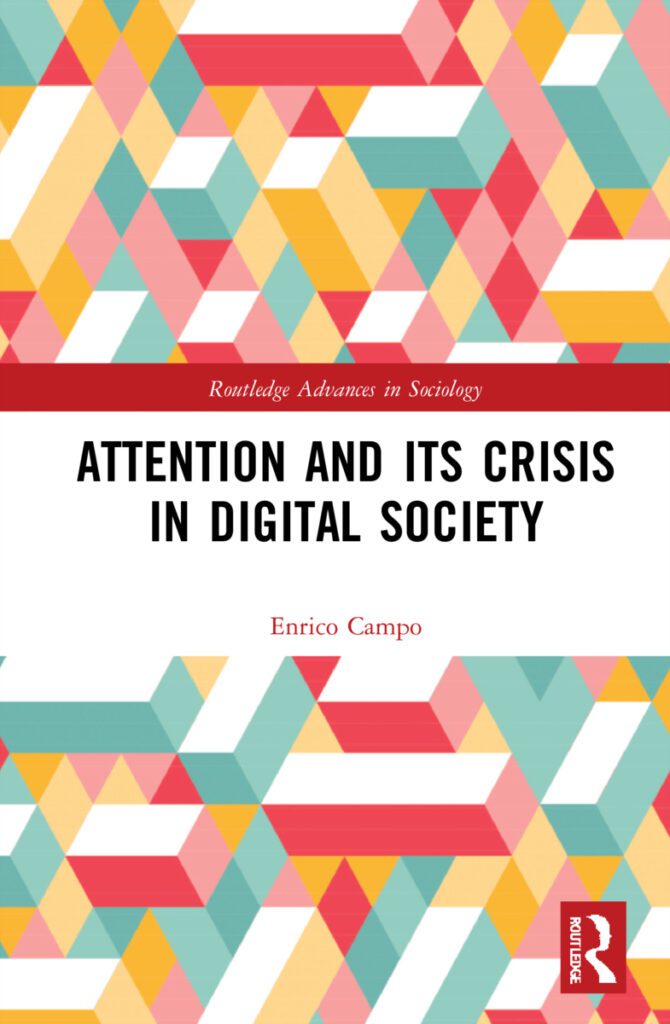
Attention and its Crisis in Digital Society offers a fresh, culturally grounded perspective on how we think about attention in the digital age—challenging the idea of cognitive decline and exploring how social and environmental factors shape our ability to focus.
Using Tech to Fight Tech
Ironically, some of the most effective tools for promoting a digital detox are themselves digital. Mindfulness apps like Headspace and Calm guide users through meditation, breathwork, and sleep routines, creating intentional moments of disconnection from the constant noise of screens and notifications. Their soothing interfaces, guided sessions, and reminders help users create healthier digital habits, turning smartphones from sources of stress into tools for relief.
To gain support with mental health struggles, AI-powered platforms like Woebot and Wysa offer conversational assistance through chat-based interactions, using cognitive-behavioral techniques to help users navigate anxiety, stress, and emotional fatigue.
From a 2021 JMIR‑published study on Woebot:
While these methods exist on the same devices we’re trying to put down, they serve a different purpose: acting as stepping stones toward greater self-awareness and emotional regulation. When it comes to digital wellness tools, the key to success lies in mindful integration. These platforms aren’t meant to be digital crutches but springboards. When used intentionally, they can help to develop habits that gradually extend into offline life. In this way, tech
Educational and Organizational Approaches to Digital Literacy
Digital detox isn’t only a personal effort. Schools and workplaces are increasingly stepping in to create healthier boundaries around tech. From classrooms to boardrooms, institutions are proactively reshaping our relationship with technology. In schools, digital hygiene now joins traditional subjects, embedding emotional literacy, self-regulation, and mindful screen habits into the core curriculum. Educators and parents alike are reportedly reinforcing this learning through practices such as device-free meals, structured outdoor activities, and clearly defined digital boundaries.
Likewise, workplaces are pivoting from “always-on” norms toward policies that foster mental well-being. Some examples of this include email-free Fridays, mental health days, four-day workweeks, and flexible messaging expectations. Initiatives like these are helping to reduce burnout and restore cognitive clarity. These changes underscore how mental health is increasingly understood not as an individual burden, but as a collective and organizational responsibility.
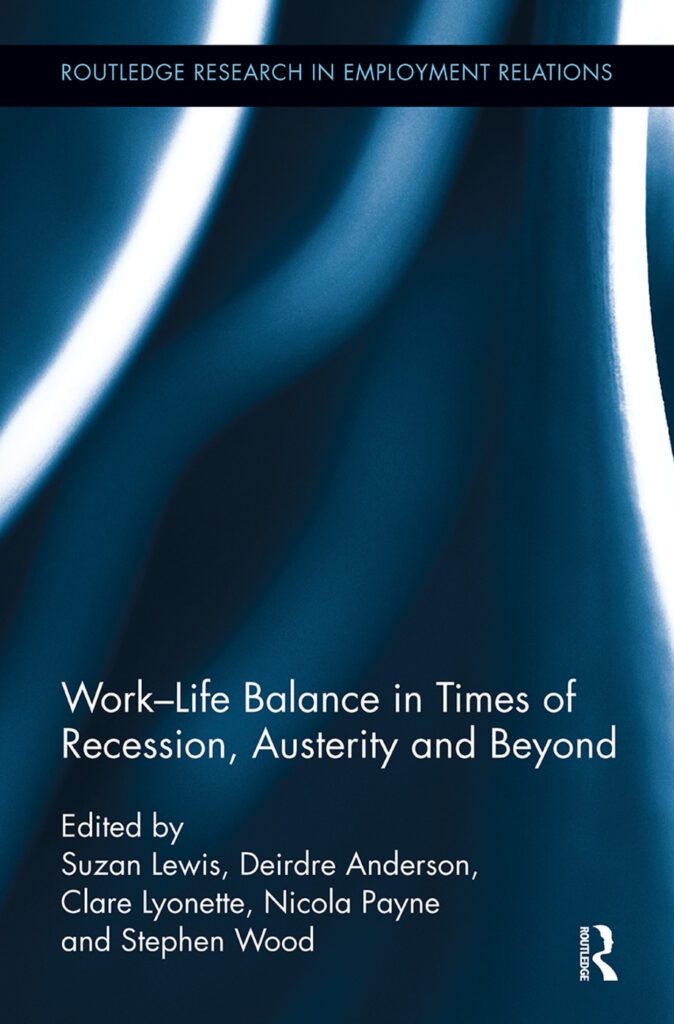
As outlined in Work-Life Balance in Times of Recession, Austerity and Beyond, such institutional shifts reflect what scholars describe as the ‘triple agenda,’ a model for aligning well-being with broader systemic goals.
Supporting employee (or student) work-life balance
Maintaining institutional effectiveness and performance
Advancing social justice and equity through inclusive policy design
This framework emphasizes that sustainable digital wellness strategies must serve not only personal needs but also the collective health of learning and working environments.
Reconnecting with the Real World
One of the most effective and scientifically supported strategies for digital detox is reconnecting with the natural world. Nature-based mindfulness practices, such as shinrin-yoku (forest bathing), silent walking, and digital-free retreats, do more than offer a break from screens; they actively recalibrate the nervous system. Empirical studies consistently link time in green environments to lower cortisol levels, improved attention restoration, and enhanced executive functioning.
When combined with structured mindfulness techniques such as deep breathing, body scans, or open-awareness meditation, nature-based practices offer a lasting foundation for emotional balance and mental clarity. Together, they provide a powerful way to restore focus and resilience in an increasingly tech-saturated world.
Importantly, mindfulness is not a modern invention. Even before digital devices shaped our lives, cultures around the world cultivated practices of stillness, attention, and balance. From communal rituals to breath-centered meditation, these practices than span across cultures remind us that digital detox is not a new concept, it’s a continuation of an ancient human need to pause and reconnect.
Whether through nature, policy, habit-building or mindful tech, 2025 shows that digital detox is evolving into something deeper: a path to long-term psychological resilience.